April 7, 2026

Carbon monoxide (CO) detectors are one of the most important — and often most overlooked — safety devices in any RV. Unlike smoke detectors that warn of visible fire or burning, CO detectors silently monitor for an invisible, odorless, colorless gas that can build up quickly and become deadly within..

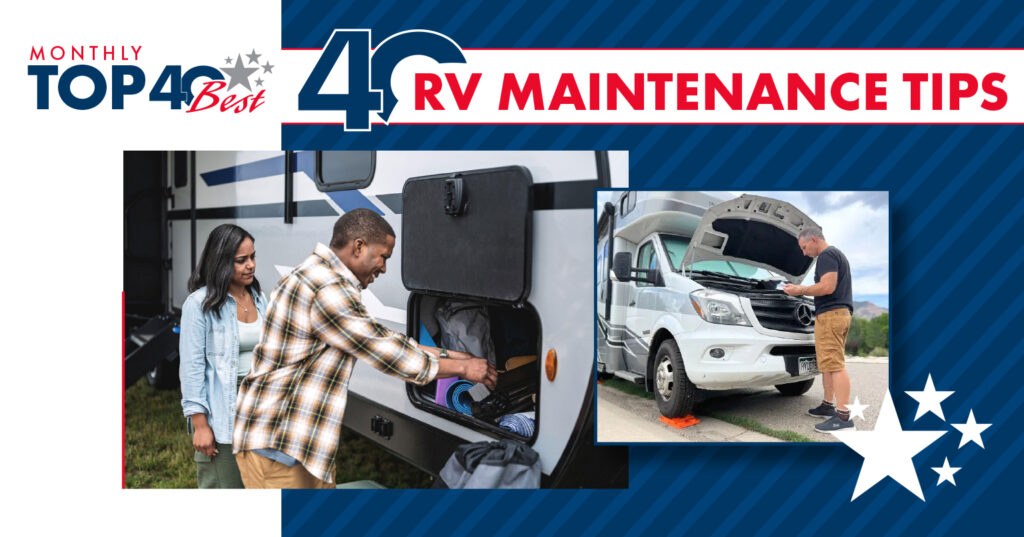
Keeping up with your RV’s maintenance will not only help prolong the life of your vehicle but also make sure your camping experiences are as enjoyable as possible. From routine checks to preventive measures and troubleshooting advice, Great American RV is here to help....
Buying your first RV? Learn the most common mistakes first-time buyers make and how to avoid them. Great American RV SuperStores shares expert advice to help you shop smart and travel with confidence....
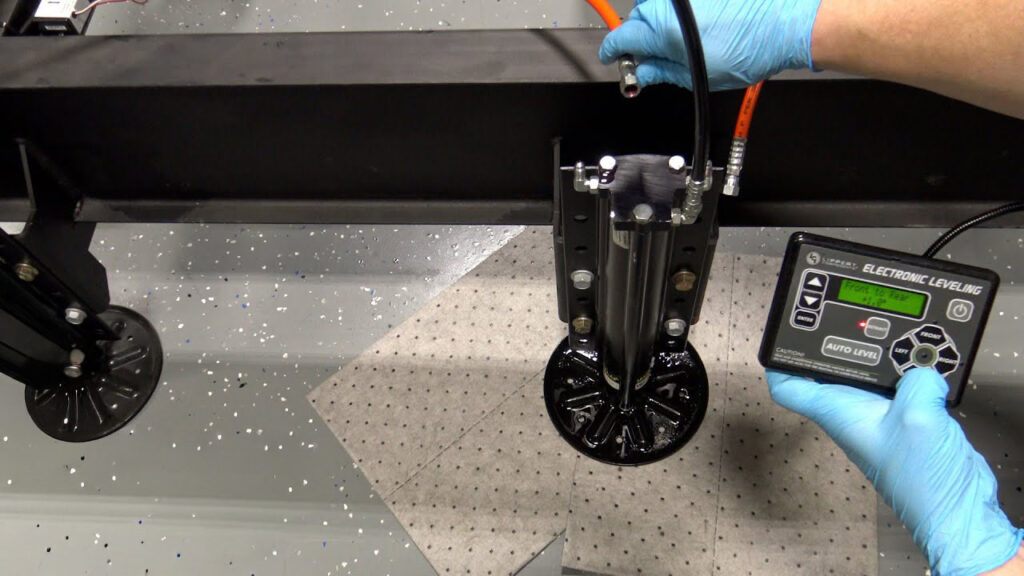
If your RV’s hydraulic system suddenly stops working, don’t panic. Whether it’s your slides or leveling jacks, you can still override the system manually and get your unit back in position....

Carbon monoxide (CO) detectors are one of the most important — and often most overlooked — safety devices in any RV. Unlike smoke detectors that warn of visible fire or burning, CO detectors silently monitor for an invisible, odorless, colorless gas that can build up quickly and become deadly within..

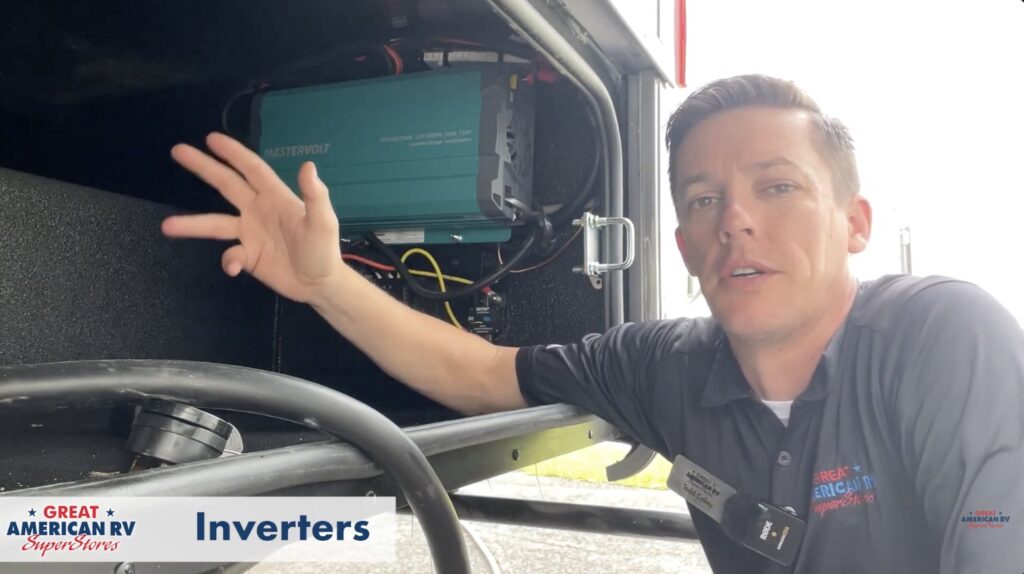
RV inverters are one of the most valuable upgrades — or factory features — for anyone who loves boondocking, dry camping, or simply wants more flexibility away from shore power pedestals. They quietly convert the 12-volt DC power stored in your RV’s house batteries into 110–120-volt AC household electricity, letting..
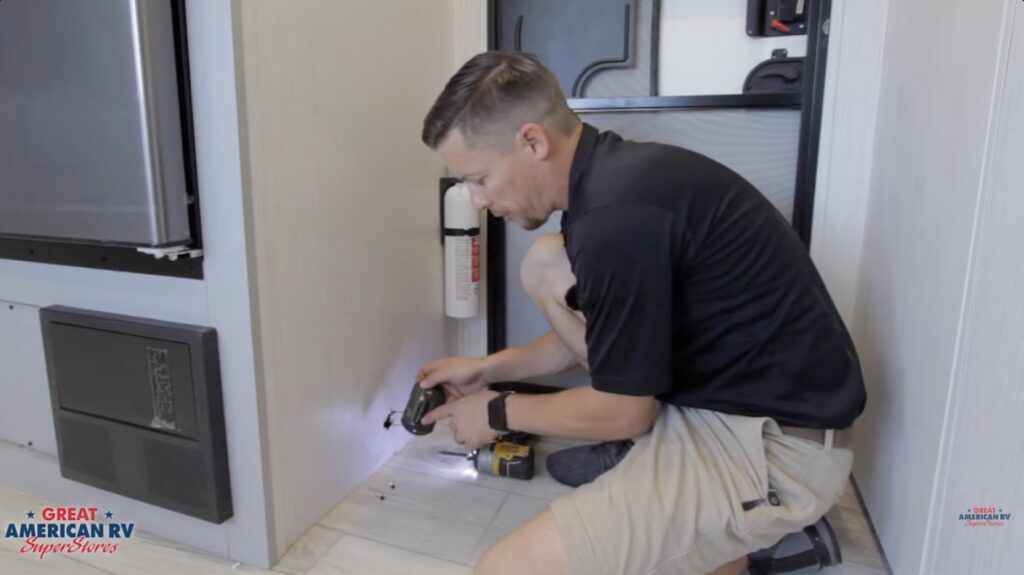
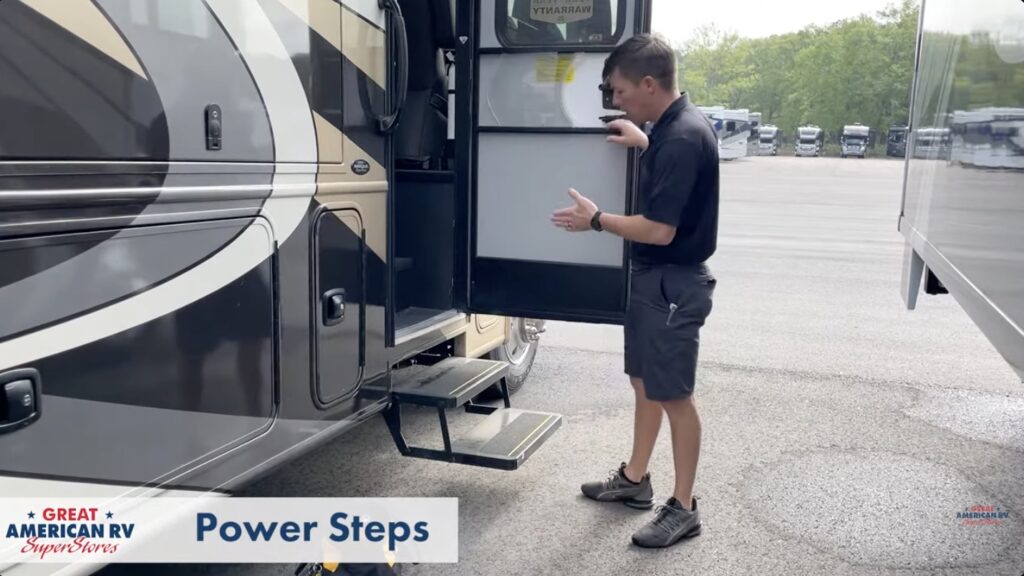
Power steps (also called electric entry steps or retractable steps) are one of those features you use every single trip but rarely think about until they stop working. On motorized RVs — Class A motorhomes, Class C motorhomes, and some Class B camper vans — power steps make entry and..