Understanding RV Transfer Switches and How They Work
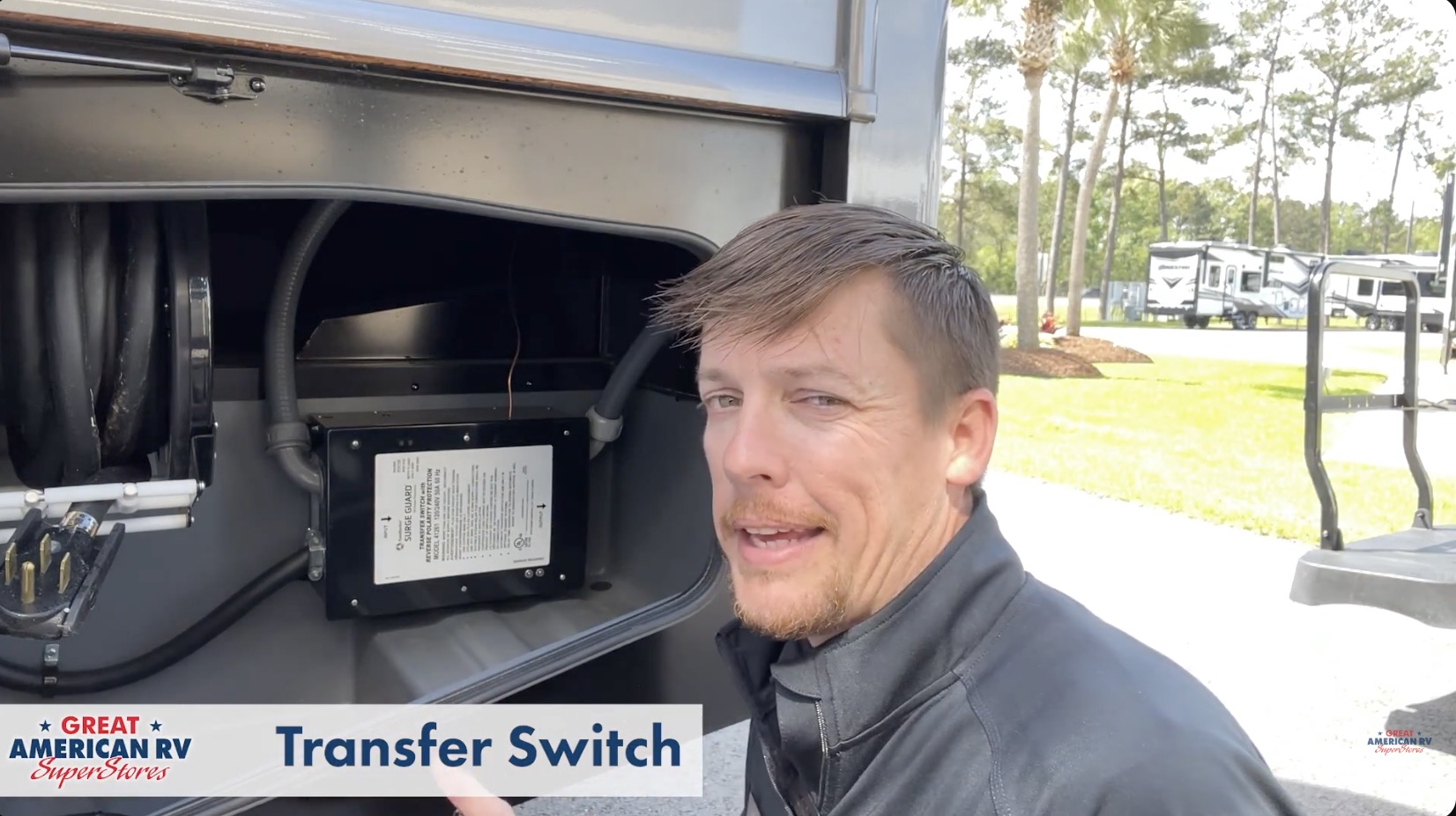
An RV transfer switch is one of the most important — yet often overlooked — components in any RV equipped with both a shore power cord and an onboard generator. Whether you have a Class A motorhome, Class C, travel trailer with a built-in generator, fifth wheel, or toy hauler, if your RV can accept power from two different AC sources, it almost certainly has a transfer switch. Its job is simple but critical: it automatically decides where your 110-volt (120V AC) power comes from and routes it safely to the breaker panel and the rest of the coach, preventing dangerous back-feeding or simultaneous connection of both sources.
Without a properly functioning transfer switch, you risk electrical damage, fire hazards, or no power at all when switching between shore and generator. In 2026, transfer switches are standard in nearly all generator-equipped RVs, and modern designs include improved relays, better surge protection integration, and sometimes diagnostic LEDs or Bluetooth monitoring through apps like Lippert OneControl or Go Power. This comprehensive guide explains exactly how RV transfer switches work, the different types (30-amp vs 50-amp, automatic vs manual), power routing, safety interlocks, common failure symptoms, step-by-step troubleshooting with a multimeter, preventive maintenance, replacement considerations, integration with inverters and surge protectors, off-grid scenarios, and an expanded FAQ section based on real owner questions and service bay feedback. By the end, you’ll understand this “silent traffic cop” of your RV’s electrical system so well that power problems become much easier to diagnose and fix.
At Great American RV SuperStores, we diagnose transfer switch issues almost weekly during PDI checks, generator installs, and service visits. Most problems trace back to simple things: blown generator breakers, corroded connections, low voltage preventing relay activation, or owners not understanding the automatic nature of the switch. Once you know how it fits into the bigger electrical picture, troubleshooting becomes straightforward.
Hey Happy Campers! Todd here with Great American RV SuperStores.
Today we’re taking a deep dive into RV transfer switches — what they do, how they automatically switch between shore power and generator, the differences between 30-amp and 50-amp models, power routing and safety interlocks, step-by-step troubleshooting with a multimeter, common failure symptoms, preventive maintenance, when to replace or upgrade, how they work with inverters and surge protectors, off-grid considerations, and answers to the questions we hear most often from owners in 2026.
If you’d prefer a step-by-step visual demo, check out the full walkthrough on the Great American RV YouTube channel in our Hap’s Helpful Hacks playlist.
Let’s make sure your power switches seamlessly every time!
What a Transfer Switch Really Does
An RV has two primary 120V AC power sources:
- Shore power from the campground pedestal (via 30-amp or 50-amp cord)
- Onboard generator (gasoline, LP, or diesel)
The transfer switch is the automatic “traffic cop” that monitors both sources and decides which one feeds the RV’s breaker panel. It ensures only one source is connected at a time — preventing back-feeding (where generator power could feed back into the campground grid, creating a serious safety hazard) or simultaneous connection (which can damage electronics or cause fires).
Key functions:
- Detects presence of shore power (priority source) and routes it to the RV.
- If shore power is lost (unplugged or pedestal breaker trips), it switches to generator power when the generator starts and stabilizes.
- Blocks both sources from feeding the RV simultaneously.
- Provides a brief delay (5–30 seconds) on generator startup to allow voltage/frequency to stabilize.
Most transfer switches are automatic — you don’t flip any manual levers. Plug in shore power or start the generator, and the switch does the rest.
30-Amp vs 50-Amp Transfer Switches
The type of transfer switch matches your RV’s service rating:
30-Amp Transfer Switch
- Single hot leg (120V) + neutral + ground.
- Total capacity: ~3,600 watts.
- Common in smaller travel trailers and some mid-size fifth wheels.
- Simpler design — one relay or contactor.
- Generator input usually 30-amp plug or hardwired.
50-Amp Transfer Switch
- Two hot legs (L1 & L2, 120V each) + neutral + ground.
- Total capacity: ~12,000 watts (240V potential).
- Required for larger RVs with two AC units, washer/dryer, or high-load appliances.
- More complex — two relays/contactors (one per leg) or solid-state switching.
- Handles balanced loads across both legs.
Both types prevent back-feeding and prioritize shore power. 50-amp switches are more expensive and have more points of failure but support much higher demand.
How Power Is Routed Through the Transfer Switch
Typical flow:
- Shore power cord plugs into pedestal → shore input terminals on transfer switch.
- Generator output (hardwired or plug) → generator input terminals on transfer switch.
- Transfer switch output → RV’s main breaker panel.
- Breaker panel → branch circuits (AC units, microwave, outlets, converter, fireplace, etc.).
When shore power is present:
- Switch senses 120V on shore input.
- Relay closes shore circuit; generator circuit remains open.
- Power flows shore → transfer switch → breaker panel.
When shore power is removed and generator starts:
- Switch senses loss of shore voltage.
- After generator stabilizes (5–30 seconds), relay opens shore circuit and closes generator circuit.
- Power flows generator → transfer switch → breaker panel.
No power = no output to RV.
Basic Transfer Switch Troubleshooting
If you have no 110V power in the RV but the generator is running or shore power is connected, the transfer switch is one of the key checkpoints.
Tools needed:
- Non-contact voltage tester (safest for initial checks)
- Digital multimeter (for precise voltage)
- Screwdriver (to access cover if needed)
Safety first:
- Turn off generator and unplug shore power before opening transfer switch cover.
- High voltage (120V–240V) present — if unsure, call a technician.
Step-by-step checks:
- Verify incoming power:
- Shore: Test pedestal outlet with non-contact tester or multimeter (115–125V).
- Generator: Confirm genny output breakers on, voltage at genny outlet (115–125V per leg).
- Check transfer switch inputs:
- Locate transfer switch (often near breaker panel, in front compartment, or under generator).
- Test shore input terminals (120V present?).
- Test generator input terminals (120V present?).
- Test output:
- Measure voltage at transfer switch output terminals to breaker panel (should match active input).
- Listen for relay click:
- When shore plugged in — click to shore position.
- When generator starts — delay, then click to generator position.
- If input voltage present but no output:
- Transfer switch likely failed (stuck relay, bad contactor, internal fault).
- If no input voltage:
- Shore: Check cord, pedestal breaker, RV inlet connection.
- Generator: Check genny breakers, fuel, oil, start circuit.
Common Failure Symptoms and Causes
- No power with shore plugged in — Transfer switch stuck on generator side, blown input breaker, bad shore cord.
- No power with generator running — Transfer switch stuck on shore side, genny breakers off, low genny output.
- Delayed or no switching — Weak relay coil (low voltage), faulty control board.
- Buzzing or chattering — Low voltage to relay coil — charge batteries or check wiring.
- Burnt smell or heat — Overloaded contacts or arcing — immediate service.
Preventive Maintenance Tips
- Inspect shore cord and genny plug monthly — no corrosion, melting, or loose fit.
- Test transfer switch switching every trip — plug/unplug shore, start/stop genny.
- Keep batteries charged — low voltage prevents relay activation.
- Check all connections annually — clean/tighten terminals.
- Use surge protector at pedestal — protects against voltage spikes.
- Run generator monthly under load — keeps ATS contacts clean.
Safety Considerations
- 120V–240V present — lethal hazard.
- Disconnect all power before opening cover.
- Never bypass transfer switch — creates back-feed risk.
- Use GFCI-protected outlets for testing.
- Never stand in water when troubleshooting.
- If unsure, call qualified RV technician.
Expanded Frequently Asked Questions
How do I know if my transfer switch is working? Plug/unplug shore — listen for relay click and test voltage at output.
Why no power when generator runs? Genny breakers off, low output, transfer switch stuck on shore, bad input wiring.
Shore power works but generator doesn’t? Transfer switch stuck on shore, genny voltage unstable, control circuit fault.
Can I manually switch sources? Most are automatic — no manual override. Some have manual bypass (rare).
50-amp vs 30-amp transfer switch difference? 50-amp handles two legs (L1/L2); 30-amp one leg.
Transfer switch hot or buzzing? Low voltage, failing relay — service immediately.
How long does switching take? 5–30 seconds delay on generator start (stabilization).
Can I add a manual transfer switch? Yes — for backup or inverter priority; professional install.
Why does it not switch when unplugging shore? Low battery voltage, faulty relay coil, bad control board.
Best surge protector for transfer switch protection? Progressive Industries or Surge Guard — 30/50-amp models.
The Bottom Line
An RV transfer switch is an automatic “traffic cop” for your 110-volt power: it prioritizes shore, switches to generator when needed, and prevents dangerous back-feeding. Test inputs/outputs with a multimeter, listen for relay clicks, check fuses/breakers first, and maintain voltage/connections. Most “no power” issues are simple fixes upstream or downstream — not the switch itself.
By understanding:
- Automatic priority and safety blocking.
- Input/output voltage testing.
- Common symptoms and quick checks.
- Preventive inspections.
You’ll diagnose power problems faster and keep your RV powered reliably.
Watch the Full Video Walkthrough See everything demonstrated step-by-step in our Understanding RV Transfer Switches video from the service team. Find it on the Great American RV SuperStores YouTube channel in the Hap’s Helpful Hacks playlist.
At Great American RV SuperStores, we don’t just sell RVs we help you understand how to use them. We’re making memories one weekend at a time. 🚐
*This content is not a legal standard or regulation, and does not create any new legal obligation. It is advisory in nature, informational in content, and is intended to assist and educate consumers in the use and enjoyment of their recreational vehicles. Great American RV SuperStores does not hereby make any warranty, express or implied, and does not assume any liability with respect to the use of, or damages resulting from the use of any information, method or process included in this content.
Recent Comments