Spring RV Season Prep: Get Ready for Adventure
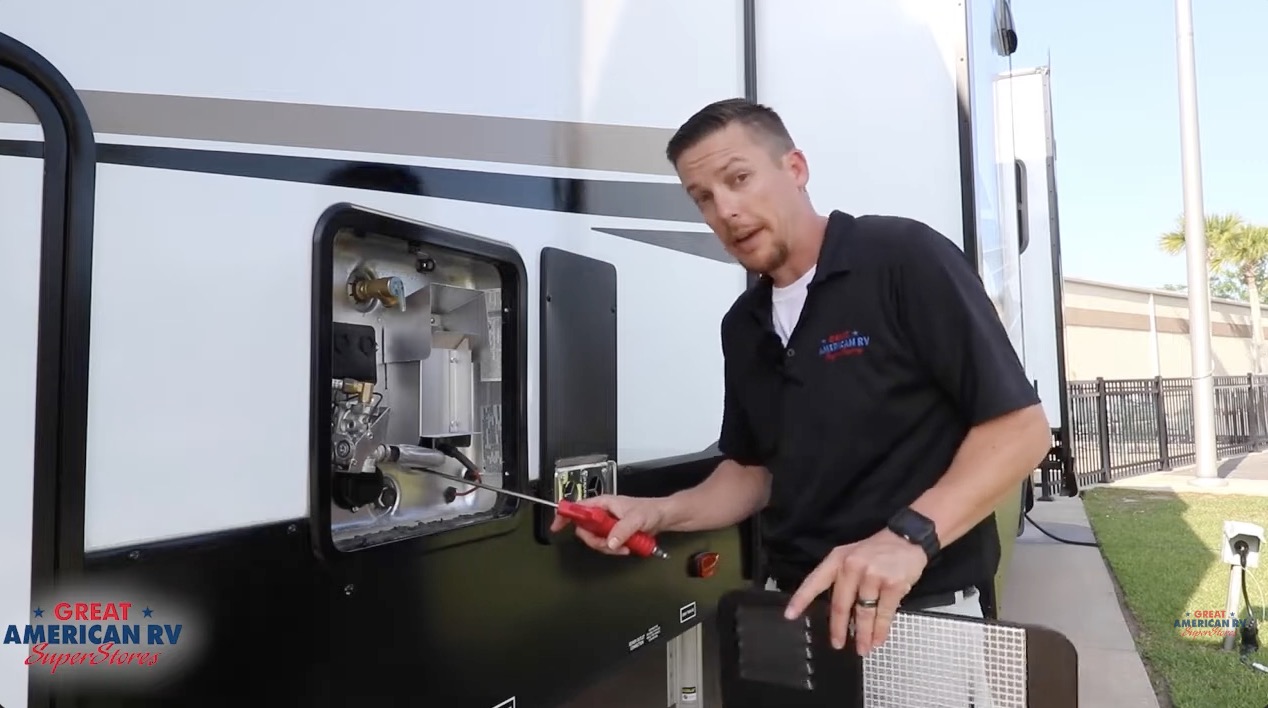
Spring marks the exciting return to the open road for many RV owners. After months of winter storage, it’s time to wake your rig from its slumber, knock off the pollen and dust, and prepare it for prime camping season. Proper spring preparation prevents breakdowns, extends the life of your RV components, and ensures safe, comfortable adventures ahead. Whether you own a travel trailer, fifth wheel, or motorized Class A or C, a thorough checklist helps you avoid roadside headaches and focus on making memories.
At Great American RV SuperStores, we see countless owners hit the road each spring after following these steps. This guide compiles practical tips from real-world experience, including appliance testing, tire and bearing checks, roof inspections, battery maintenance, generator exercise, plumbing de-winterizing, and more. Follow along to get your unit road-ready.
Safety First: Before You Begin
Start every spring prep with safety in mind. Work on a level surface with good lighting. Wear gloves and eye protection when handling chemicals, sealants, or compressed air. Ensure your carbon monoxide and smoke detectors have fresh batteries and test your propane leak detector. If you’re unsure about any mechanical task, like repacking wheel bearings, consider professional service to avoid costly mistakes.
De-Winterizing the Plumbing System
One of the first tasks after pulling your RV out of storage is de-winterizing the water system. If you used RV antifreeze, flush it thoroughly to remove all traces.
Hook up to a city water connection or use your fresh water tank and water pump. Turn on the water supply and open every faucet, hot and cold, inside and outside the RV. Let water run until it flows clear and odor-free. Check all fittings, hoses, and connections underneath and around the unit for leaks or damage caused by freezing expansion.
Pay special attention to areas prone to cold damage: under sinks, behind water control valves, plastic PEX lines, and faucets. Pressurize the system fully and inspect for drips. Even small leaks can lead to rot, mold, or mildew over time. Bouncing down the road can worsen loosened fittings, so tighten everything now.
If you notice any persistent drips, replace washers or fittings immediately. Sanitize the system by adding a bleach solution (one cup per 10 gallons of tank capacity), letting it sit, then flushing again. This ensures fresh, safe drinking water for your first trips.
Testing and Running Appliances
Appliances need a gentle wake-up after sitting idle. Plug your RV into a reliable 30- or 50-amp shore power source.
Start with the refrigerator. Turn it on (electric or propane mode if older system) and let it run for at least 24 hours. Monitor temperatures to confirm it cools properly to safe levels (around 35-40°F for the fridge and 0°F for the freezer). A slow-cooling fridge may indicate a level issue, dirty coils, or a failing component.
Next, test your air conditioners. Run each unit for several hours to ensure they cool the interior effectively. Clean or replace A/C filters first (more on that below) to avoid restricted airflow. In hot summers ahead, a well-functioning A/C makes all the difference.
Move to the water heater. Turn it on via propane or electric mode (or both for faster recovery). Verify the water heats up properly for warm showers. While testing, check for normal operation sounds and any error codes or faults.
Don’t forget the furnace. Run it briefly to confirm ignition and airflow. These systems rely on 12V power, so ensure batteries are charged before full testing.
Detailed Water Heater Spring Prep
After winter storage, your water heater deserves focused attention before the first hot shower of the season. Different brands and designs—tanked versus tankless—require slightly different steps, but the goal remains the same: remove any sediment or stale water, clear debris, and verify reliable operation.
Tanked Water Heaters (Most Common in Older and Mid-Size RVs)
- Suburban models (SW6, SW10, SW12 series) are durable tank-style units, often dual fuel (propane + electric). In spring, fully drain the tank using the bottom drain plug or anode rod location. Inspect the sacrificial anode rod and replace it if 75% or more eroded to protect against corrosion. Flush the tank thoroughly with a wand to remove sediment, then refill completely before turning the unit on—never run it dry. Blow out the burner tube and flue with compressed air to clear dirt daubers or insect nests. Test both propane and electric modes and reset thermostats or the ECO switch if needed.
- Dometic (including former Atwood models like GC6AA series) tanked heaters follow a similar process but typically lack an anode rod. Drain and flush the tank annually to prevent calcification buildup. Clean the burner tube and exhaust area with compressed air, and inspect exterior seals around the cover to block water intrusion and bugs. Run the unit on propane or electric for several hours to confirm it reaches proper temperature.
For both Suburban and Dometic tank models, restore the air pocket at the top of the tank if the pressure/temperature relief valve drips frequently. Check all connections and the relief valve for proper function.
Tankless / On-Demand Water Heaters
Tankless units provide endless hot water with a smaller footprint and are growing in popularity. They require less flushing of a large tank but still need attention to flow and scaling.
- Furrion tankless models emphasize simple inlet filter maintenance. In spring, relieve system pressure, remove and clean the inlet screen filter at the bottom of the unit, then reinstall it. Descale the heat exchanger annually (or more often in hard water areas) using a vinegar or manufacturer-approved solution circulated through the system. Inspect for leaks, corrosion, or obstructions and test gas and water flow.
- Suburban also offers tankless options (such as the ST-60). Follow similar inlet filter cleaning and descaling procedures while ensuring the burner area stays clear of debris.
- Truma (AquaGo or Combi series) often features a small buffer tank or hybrid design for near-instant hot water and stable temperatures. For spring prep, return bypass valves to normal operation, drain any residual water, and perform decalcification using a citric acid solution or Truma cleaner (typically circulated and soaked for 1–5 hours depending on the model). Check and clean the filter cartridge and O-rings. Run the unit to purge air and verify consistent hot water delivery in ECO or Comfort modes.
General Testing for All Water Heaters
Once de-winterized, turn the water heater on (propane, electric, or both) and let it run long enough to confirm the water heats properly. Check for normal operation sounds, error codes, or faults. Hook up city water or use the fresh water tank and verify flow from all hot faucets. If your unit sat unused for an extended period, consider a full system sanitization with a mild bleach solution before the first use.
These quick brand-specific checks take only a short time but prevent lukewarm showers, ignition issues, or scaling problems once you’re on the road.
This revised section integrates smoothly into the existing blog while keeping the overall tone helpful and actionable. It adds substance without unnecessary length. Let me know if you’d like any further tweaks!
Tire Inspection and Maintenance
Tires are critical for safe travel. Improper pressure or worn tires can cause blowouts, leading to expensive damage or dangerous situations.
Locate the recommended cold tire pressure on the sidewall labels or door jambs (for motorized units). Check pressure when tires are cool, using a reliable gauge. Underinflation causes excessive heat and wear; overinflation reduces traction.
Inspect tread depth with the penny test—Lincoln’s head should be partially hidden. Look for dry rot (cracking on sidewalls), cuts, bulges, or uneven wear. Check the DOT date code on the sidewall (e.g., “DOT XXXXXX” where the last four digits indicate week and year of manufacture). Tires older than 6-7 years often need replacement regardless of tread.
For motorized RVs, also inspect windshield wipers. Winter ice or debris can tear blades—replace them if cracked, streaking, or dry-rotted. It’s a cheap, easy fix that prevents poor visibility in spring rains.
Wheel Bearings: Don’t Skip This Critical Task
Wheel bearings support the full weight of your RV and deserve annual attention. Repack them once a year or every 5,000 miles, whichever comes first. Pushing this off risks a burnt bearing that can seize a wheel, ruin a trip, or cause serious roadside heartbreak.
To check: Jack up the wheel safely and rock the tire top-to-bottom and side-to-side. Any play or grinding noise indicates worn bearings. Repacking involves removing the hub, cleaning old grease, inspecting for damage, repacking with fresh high-temperature grease, and reassembling with proper torque.
If you’re not comfortable doing this yourself, schedule it at a service center. The peace of mind during long hauls is worth it. Many owners combine this with brake inspections for efficiency.
A/C Filters and Interior Checks
Clean or replace A/C filters regularly—monthly during heavy use, but definitely in spring. Restricted filters reduce cooling efficiency and strain the unit.
Different A/C models have varying filter types: some are replaceable cartridges, others removable foam that you wash and reinstall. Locate them at the return air grilles inside the RV. A clean filter improves airflow and helps your A/C keep up with summer heat.
Roof and Sealant Inspection
The roof is your RV’s first line of defense against water intrusion. Inspect it every spring and every 3 months thereafter, plus after any severe weather or trips.
Safely access the roof (use a stable ladder and fall protection). Look for cracks, peeling, bubbling, or soft spots indicating hidden damage. Check all seams, vents, skylights, air conditioners, and edges for failed sealant. Tree limbs, hail, or UV exposure can cause issues.
Clean the roof first with appropriate RV roof cleaner (avoid harsh chemicals on rubber or EPDM roofs). Reapply self-leveling sealant on horizontal seams and non-sag on vertical surfaces. Dicor or similar RV-specific products work well. Address any damage promptly, small leaks grow quickly into costly interior repairs involving mold and rot.
Generator Maintenance and Exercise
If equipped with a generator, spring is the perfect time to exercise it properly. Old fuel left sitting can gum up the carburetor or fuel system.
Add fresh fuel treated with stabilizer. Install a fuel shut-off valve if not already present to isolate old gas. Start the generator and let it run under load for at least 30-60 minutes—turn on air conditioners or other high-draw appliances to simulate real use. This circulates oil, lubricates parts, and burns off moisture.
Check and clean air filters, inspect oil level, and change if needed (especially after long storage). Regular monthly exercise during the season prevents starting issues later.
Exterior and Overall Cleaning
Give your RV a thorough wash to remove winter grime, pollen, and road salt. Use RV-specific cleaners and waxes to protect gelcoat or paint. Waxing now helps resist UV damage and makes future cleaning easier.
Inspect exterior sealant around windows, doors, slide-outs, and compartments. Reapply as needed. Check slide-out seals and lubricate mechanisms per manufacturer guidelines.
For motorized units, perform basic engine checks: oil change, air filters, fluid levels. This “spring cleaning” attitude means you handle most tasks now instead of scrambling mid-season.
Booking Trips and Planning Ahead
With campgrounds filling quickly, book your spring and summer trips now. Many popular sites allow reservations 6 months in advance, early birds secure the best spots. Plan routes considering your RV’s length, weight, and height restrictions.
Create a pre-trip checklist: tires, bearings, brakes, lights, brakes controller, hitch setup, and safety items. Test everything on a short shakedown cruise before a long journey.
Additional Spring Tasks and Pro Tips
- Propane System: Have tanks filled and inspected. Test all appliances on propane.
- Brakes and Suspension: Listen for unusual noises; have brakes serviced if needed.
- 12V and Electrical: Check fuses, wiring for corrosion, and converter output.
- Leveling and Stabilization: Test jacks and stabilizers.
- Emergency Kit: Restock roadside essentials, first aid, tools, and spare parts.
If your RV has been stored for years or you prefer professional help, Great American RV SuperStores does offer comprehensive spring service packages covering travel trailers, fifth wheels, gas, and diesel motorhomes. These include in-depth inspections you might miss.
Educational resources like our Hap’s Helpful Hacks playlists on YouTube goes over RV maintenance and guide DIY tasks effectively.
Frequently Asked Questions (FAQs)
Q: How long should I run appliances during spring testing? A: At least 24 hours for the refrigerator to stabilize temperatures. Run A/C and water heater for several hours to confirm performance.
Q: When should I repack wheel bearings? A: Annually or every 5,000 miles. Don’t delay— a failed bearing can strand you and damage the axle or wheel.
Q: What if I find leaks during plumbing checks? A: Tighten fittings first. Replace damaged hoses, valves, or washers. Persistent issues may need professional plumbing service.
Q: How often should I inspect the roof? A: Every 3 months, and after storms or long trips. Re-seal promptly to prevent water damage.
Q: Do I need to load-test batteries? A: Yes—especially after storage. A weak battery stresses the converter and can fail when you need it most.
Q: Is exercising the generator under load necessary? A: Absolutely. Running without load doesn’t fully exercise the system or burn off contaminants.
The Bottom Line
Spring RV prep sets the tone for a successful season. By methodically checking tires, bearings, appliances, plumbing, roof seals, batteries, and the generator, you minimize risks and maximize enjoyment. Take time now, while pollen is in the air and weather improves, to knock the dust off, wax the exterior, and get everything tested and tuned.
Consistent maintenance pays off in reliability and resale value. For visual guides, check reputable RV channels for model-specific demos on water heater flushing, bearing repacking, or roof sealing.
At places like Great American RV SuperStores, teams stand ready to help with parts, service, or advice. Whether DIY or professional-assisted, the goal remains the same: safe travels and unforgettable adventures.
Get out there, explore new places, and make memories one weekend at a time. Happy spring camping!
*This content is not a legal standard or regulation, and does not create any new legal obligation. It is advisory in nature, informational in content, and is intended to assist and educate consumers in the use and enjoyment of their recreational vehicles. Great American RV SuperStores does not hereby make any warranty, express or implied, and does not assume any liability with respect to the use of, or damages resulting from the use of any information, method or process included in this content.
Recent Comments