Overview of 12-Volt Systems on Motorized RVs
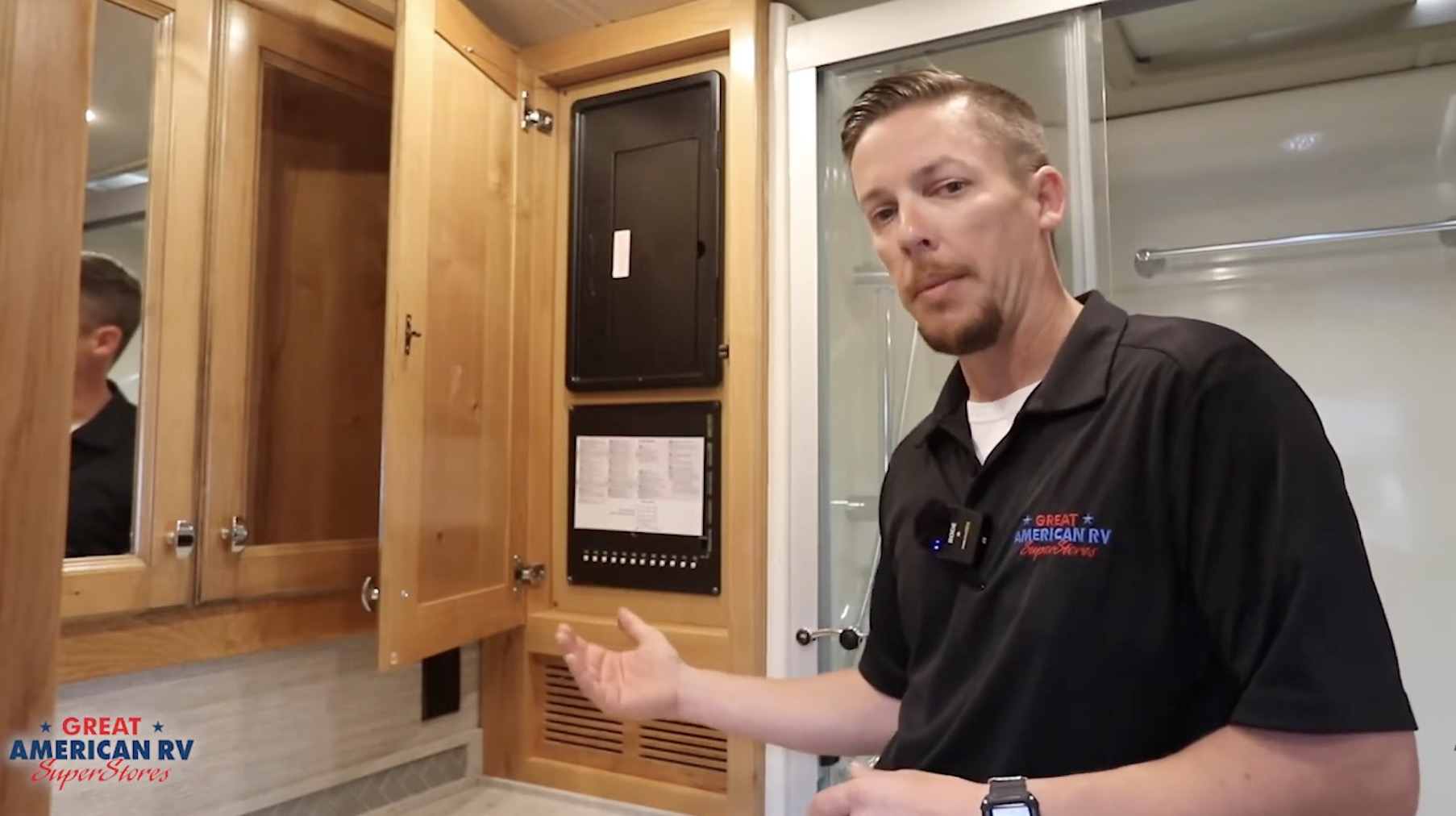
Your RV’s 12-volt system is the heartbeat of life in the coach — powering everything from lights and fans to slide-outs, water pumps, control boards for the furnace, water heater, refrigerator (in gas mode), and even some entertainment systems. In motorized RVs like Class A, Class B, and Class C motorhomes, this DC system is especially critical because it supports both driving functions (like chassis battery integration) and living-area comforts when you’re parked. Whether you’re boondocking off-grid or plugged into shore power, weak or neglected batteries can turn a relaxing getaway into frustration: dim lights, non-working slides, a furnace that won’t ignite, or a fridge that warms up.
Understanding the 12-volt system — its components, battery types, charging sources, and maintenance — saves money, prevents breakdowns, and extends the life of your rig. In 2026, with lithium upgrades becoming more common, many owners are rethinking traditional setups for longer runtime and less hassle. This guide covers it all: basics, battery types, maintenance best practices, troubleshooting, upgrades, and FAQs.
At Great American RV SuperStores, we help owners keep their 12-volt systems reliable so you can focus on the road ahead.
Hey Happy Campers! Todd here with Great American RV SuperStores.
Today we’re exploring the full 12-volt system on motorized RVs — how it works, key components, battery types (flooded, AGM, lithium), detailed maintenance (including water checks and terminal care), charging sources, common issues, upgrade paths for 2026, and expanded FAQs from real owners.
If you’d prefer a step-by-step visual demo, check out the full walkthrough on the Great American RV YouTube channel in our Hap’s Helpful Hacks playlist.
Let’s power up!
The Two Electrical Systems in Your Motorized RV
Motorized RVs have two separate electrical systems working together:
- 12-Volt DC System (Coach/House Batteries): Powers interior lights, water pump, furnace blower, slide-outs, awning motors, control boards (e.g., for AC, fridge gas mode), USB ports, and more. Runs off house batteries (typically 1–4 deep-cycle units).
- 120-Volt AC System (Shore Power/Generator): Powers outlets, microwave, roof AC, TV, and appliances via shore power (30/50-amp plug) or onboard generator.
The converter bridges them: when plugged in, it converts 120V AC to 12V DC to charge batteries and run DC loads directly. Without shore power, batteries alone handle DC needs until depleted.
In motorized units, there’s often a chassis battery (for engine starting) separate from house batteries, sometimes with an automatic transfer or isolator to prevent draining the starter battery. This setup ensures you don’t accidentally kill your starting power while using coach features. Some higher-end 2026 models include a battery isolation manager (BIM) or solenoid that automatically connects the chassis alternator to house batteries during long drives, providing a steady trickle charge to keep everything topped up.
Key Components of the 12-Volt System
- House Batteries: Store energy (more below).
- Converter/Charger: Charges batteries from shore power/generator; many 2026 models have multi-stage smart chargers.
- Fuse Panel/12V Breaker Box: Distributes power; protects circuits with fuses/breakers.
- Water Pump, Lights, Fans: Direct DC loads.
- Inverter (Optional/Upgraded): Converts 12V DC to 120V AC for outlets when off-grid.
- Solar (Common Upgrade): Panels + charge controller recharge batteries via sun.
- DC-DC Charger: Transfers charge from alternator while driving (especially useful for lithium).
These components work in harmony, but the batteries are the core — everything else depends on them.
Know Your Battery Type — It Determines Maintenance
RV house batteries are deep-cycle (designed for repeated discharge/recharge), not starting batteries.
Common types in motorized RVs (2026):
- Flooded Lead-Acid (Wet Cell): Traditional, affordable (e.g., 6V golf cart in series for 12V, or 12V Group 27/31). Removable caps for water checks. Require regular maintenance. Lifespan: 3–5 years with care.
- AGM (Absorbed Glass Mat): Sealed, maintenance-free (no water added), vibration-resistant, faster charging, better deep discharge tolerance. Lifespan: 4–8 years. Popular in motorized for less hassle.
- Lithium Iron Phosphate (LiFePO4): Lightweight, 80–90% usable capacity (vs. 50% for lead-acid), 2,000–5,000+ cycles, no maintenance, faster charging. 2026 standard in many new builds/upgrades. Require compatible charger (lithium profile).
Motorized RVs often come with AGM or flooded; lithium is the top upgrade for boondocking due to its superior performance in real-world use.
How to Check and Maintain Flooded Lead-Acid Batteries
For flooded batteries (most maintenance-intensive):
- Charge First: Always fully charge (plug in 24+ hours or use multi-stage charger) before checking/adding water. Charging expands electrolyte; adding water first risks overflow/acid spill/corrosion.
- Safety Gear: Gloves, eye protection — acid is corrosive. No sparks/smoking near batteries (gassing during charge).
- Remove Caps: Open vent caps; shine flashlight into each cell.
- Water Level Check: Electrolyte should cover plates by ~1/4–1/2 inch (or to split-ring/fill well bottom). Check every cell — uneven loss common. Every 90 days (or monthly in hot climates/heavy use).
- Add Distilled Water Only: Use distilled/deionized (no minerals/tap water — contaminates electrolyte). Fill to proper level; overfilling spills on charge.
- Battery Fill Systems: For hard-to-reach batteries, install multi-cell hoses (e.g., Flow-Rite) for single-point topping.
- Terminals & Cleaning: Inspect for corrosion (white/blue/green buildup). Disconnect (one cable at a time, photo for reassembly), clean with baking soda/water + brush, rinse, dry, apply terminal protectant. Tighten securely.
AGM/Lithium: No water; just clean terminals, check voltage, ensure proper charging.
Charging Best Practices
- Multi-Stage Charger: Bulk (fast charge), Absorption (top-off), Float (maintenance). Prevents over/undercharging.
- Converter Upgrade for Lithium: Older converters may only charge to ~80%; add lithium-compatible module (e.g., Progressive Dynamics PD9100L) or full replacement.
- Solar Integration: MPPT controller essential for lithium; panels recharge daily. In 2026, 400–800W systems are popular for motorized RVs, with brands like Renogy and Victron leading.
- Alternator Charging: DC-DC charger (e.g., Victron Orion) for safe engine-to-house transfer, especially valuable on long drives.
- Monitor Voltage: Resting 12.6V+ full; under 12V = discharge; use voltmeter or battery monitor.
Common Issues and Troubleshooting
Common problems in motorized RVs include:
- Weak/No Power: Low battery, blown fuse (often 30A main or inline), corroded terminals, faulty converter. Test voltage at batteries first.
- Intermittent Problems: Loose connections — clean/tighten all terminals and grounds.
- Overheating/Sulfation: Undercharging flooded batteries — maintain full charge to prevent plate damage.
- Lithium BMS Trips: Over-discharge — ensure compatible charger and avoid deep drains.
- Slides/Steps Fail on Shore Power: Check battery isolation manager, solenoid, main 12V fuse panel, or reverse polarity fuses.
- No 12V Despite Shore: Blown converter input fuse, bad breaker, or wiring issue — trace from pedestal back.
Use a multimeter for diagnostics: check voltage across fuses, converter output (13.5–14V), and grounds.
Upgrades for 2026: Lithium, Solar, Inverters
Lithium conversions are hugely popular in 2026: 50–70% weight reduction (improves fuel economy), 2–3x usable capacity, 5–10x lifespan, faster charging. Real-world costs: $1,000–$5,000+ depending on capacity (e.g., 200–600Ah bank) and labor.
Steps for upgrade:
- Assess needs (daily Ah usage).
- Choose LiFePO4 batteries (e.g., Battle Born, Renogy).
- Upgrade converter/inverter/charger to lithium-compatible.
- Add BMS/monitor (Victron BMV-712 or Smart Shunt top-rated).
- Install solar (400–800W common) + MPPT controller.
- Test under load.
Benefits: Deeper discharge without damage, no watering, longer off-grid time.
Expanded Frequently Asked Questions
How often check flooded battery water? Every 90 days; more in heat/heavy use. Charge first, add distilled to cover plates ~1/4–1/2 inch.
Can I use tap water? No — minerals shorten life. Distilled only.
Lithium vs. AGM vs. Flooded? Lithium: longest life (10+ years), lightest, most usable capacity (upgrade favorite). AGM: sealed, low maintenance (4–8 years). Flooded: cheapest but needs watering (3–5 years).
Why charge before adding water? Charging expands electrolyte; filling first causes overflow/spills.
Best battery monitor? Victron BMV-712 Smart (Bluetooth, accurate SOC) or Smart Shunt alternatives like Renogy 500A (budget-friendly) or Blue Sea M2 (multi-battery).
How to clean corrosion? Baking soda/water mix, brush, rinse, protectant.
Lithium upgrade worth it? Yes for frequent boondocking — deeper discharge, faster charge, longevity; pays off long-term despite $2,000–$6,000 cost.
Converter compatible with lithium? May need upgrade/module for full charge (e.g., lithium profile).
Safety tips? Gloves/eyes, no sparks, ventilate charging area.
How long do batteries last? Flooded: 3–5 years; AGM: 4–8; Lithium: 10+ with care.
Solar recommendations for motorized? Start with 400–800W (Renogy/Victron panels + MPPT); enables true off-grid with lithium.
Why intermittent 12V issues? Often loose/corroded connections or blown reverse polarity fuses — trace and clean.
What if my slides won’t retract on low battery? Prioritize retracting slides first (they draw high amps); use manual override if available or charge batteries immediately. Low voltage can damage motors over time.
Can I mix battery types in the same bank? No — never mix flooded, AGM, or lithium in parallel; different charge profiles cause uneven charging and premature failure.
How do I know if my converter is charging properly? Check output voltage at batteries: 13.5–14.4V in bulk/absorption, ~13.2V in float. Use a multimeter on the converter terminals.
Is solar worth it on a motorized RV? Absolutely, especially with lithium — 400–600W can cover most daily needs (lights, pump, fans) and keep batteries topped during storage or short drives.
What causes battery sulfation and how to prevent it? Prolonged low charge in flooded batteries forms lead sulfate crystals. Prevent by keeping batteries above 12.2V and using a desulfator charger periodically.
The Bottom Line
A healthy 12-volt system means a happy RV. Keep batteries charged (full before water), terminals clean, water levels proper (distilled, post-charge), and consider lithium/solar upgrades for modern reliability. Regular checks (every 90 days) prevent most issues.
By following these basics:
- Identify your battery type and maintain accordingly.
- Charge fully before servicing flooded batteries.
- Clean terminals and monitor voltage.
- Explore lithium for less hassle and more power.
Your motorized RV will reward you with dependable performance trip after trip.
Watch the Full Video Walkthrough See everything demonstrated step-by-step in our Overview of 12-Volt Systems on Motorized RVs video from the service team. Find it on the Great American RV SuperStores YouTube channel in the Hap’s Helpful Hacks playlist.
At Great American RV SuperStores, we don’t just sell RVs — we help you understand how to use them. We’re making memories one weekend at a time. 🚐
*This content is not a legal standard or regulation, and does not create any new legal obligation. It is advisory in nature, informational in content, and is intended to assist and educate consumers in the use and enjoyment of their recreational vehicles. Great American RV SuperStores does not hereby make any warranty, express or implied, and does not assume any liability with respect to the use of, or damages resulting from the use of any information, method or process included in this content.
Recent Comments