Imagine pulling up to the shimmering shores of a vast reservoir, your RV stocked with all the essentials for a weekend getaway, and the promise of trophy largemouth bass lurking just beneath the surface. That's the allure of Toledo Bend Reservoir, straddling the Louisiana-Texas border and hailed as one of...
The Emerald Coast of Florida delivers sugar-white sand beaches, emerald-green Gulf waters, and endless sunshine—making it one of the Southeast’s premier RV camping destinations....
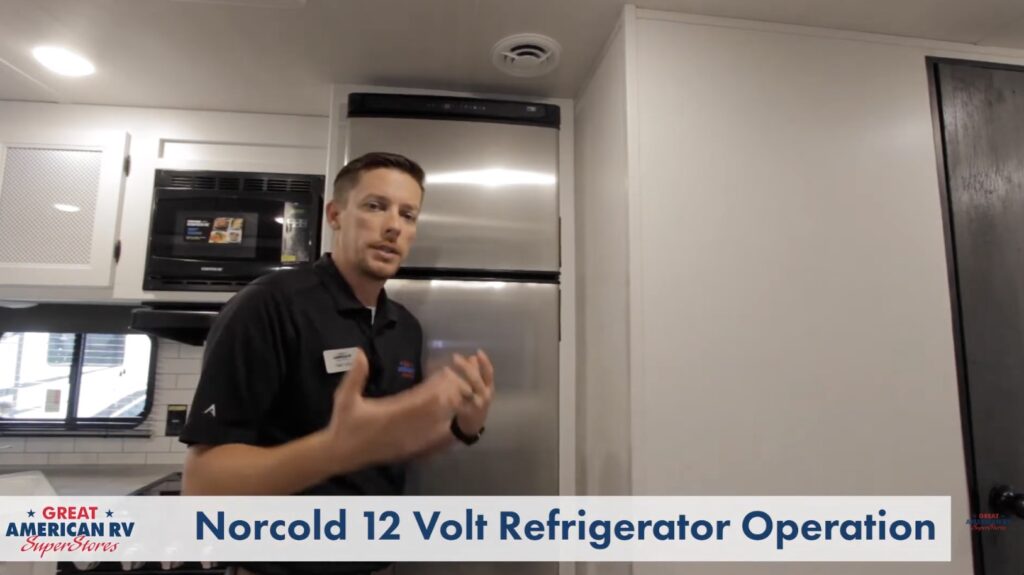
GE 12-volt refrigerators are becoming one of the most popular cooling solutions in modern RVs, offering homeowners the familiar look, feel, and performance of a residential-style fridge while running efficiently and quietly on the RV’s 12-volt DC house battery system...

Carbon monoxide (CO) detectors are one of the most important — and often most overlooked — safety devices in any RV. Unlike smoke detectors that warn of visible fire or burning, CO detectors silently monitor for an invisible, odorless, colorless gas that can build up quickly and become deadly within..

RV inverters are one of the most valuable upgrades — or factory features — for anyone who loves boondocking, dry camping, or simply wants more flexibility away from shore power pedestals. They quietly convert the 12-volt DC power stored in your RV’s house batteries into 110–120-volt AC household electricity, letting..
Winter is calling—and for thousands of RVers, that means loading up the rig and heading south to escape the snow and ice. If you’re a snowbird dreaming of palm trees, mild 65–75°F days, and endless outdoor adventures from November through March, Florida (and the Gulf Coast route leading there) is...
Power steps (also called electric entry steps or retractable steps) are one of those features you use every single trip but rarely think about until they stop working. On motorized RVs — Class A motorhomes, Class C motorhomes, and some Class B camper vans — power steps make entry and...

Carbon monoxide (CO) detectors are one of the most important — and often most overlooked — safety devices in any RV. Unlike smoke detectors that warn of visible fire or burning, CO detectors silently monitor for an invisible, odorless, colorless gas that can build up quickly and become deadly within..

RV inverters are one of the most valuable upgrades — or factory features — for anyone who loves boondocking, dry camping, or simply wants more flexibility away from shore power pedestals. They quietly convert the 12-volt DC power stored in your RV’s house batteries into 110–120-volt AC household electricity, letting..
Power steps (also called electric entry steps or retractable steps) are one of those features you use every single trip but rarely think about until they stop working. On motorized RVs — Class A motorhomes, Class C motorhomes, and some Class B camper vans — power steps make entry and..