Protecting Your RV Vent Lids: Why Standard Covers Fail and How to Upgrade with a MaxxAir Vent Cover
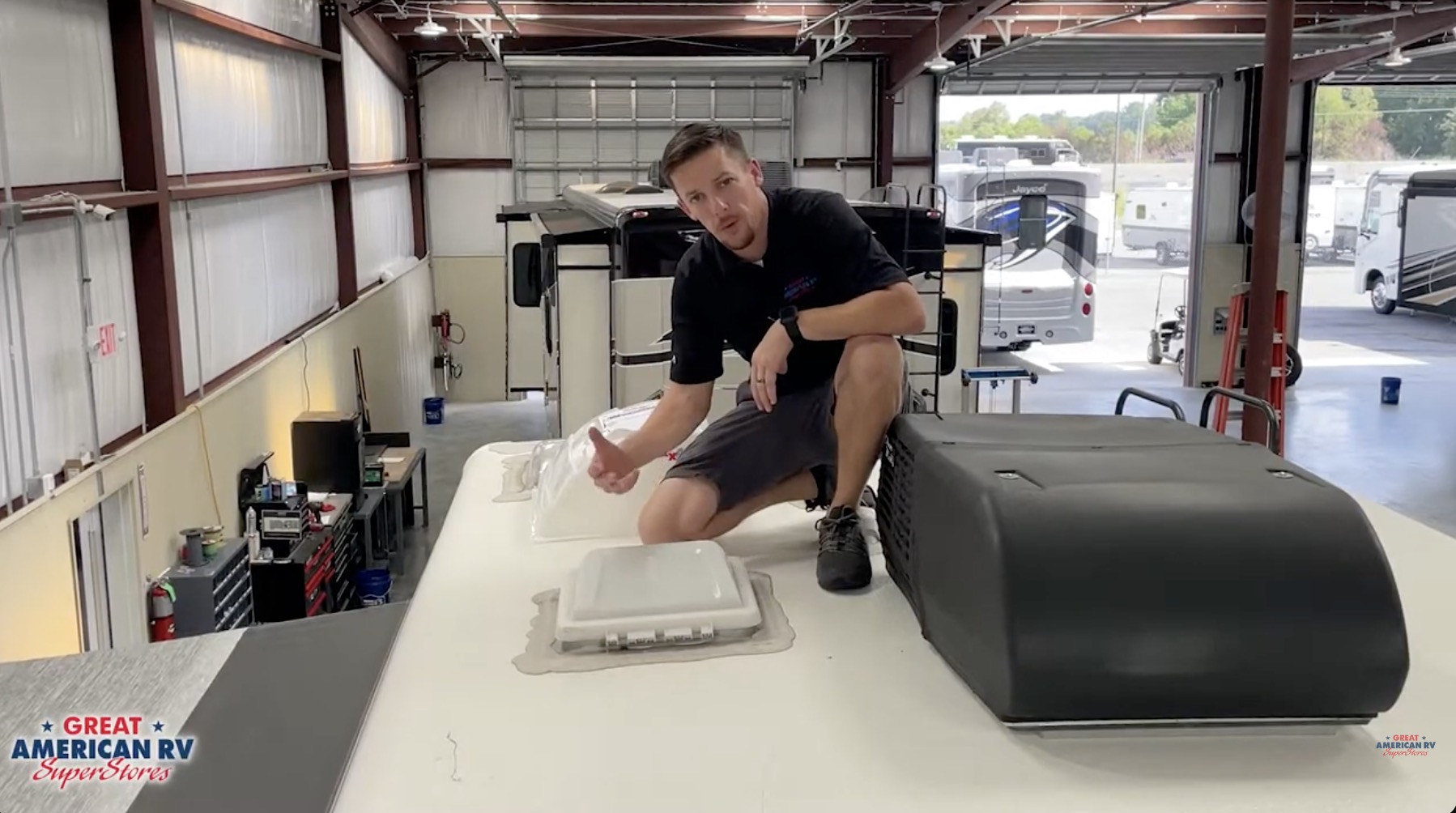
RV vent lids are one of those small but critical components you use every trip but rarely think about until disaster strikes. Whether it’s a 12-volt powered MaxxAir fan, a manual crank-up Fantastic Vent, a bathroom exhaust vent, kitchen roof vent, or even a larger 14×14-inch model, the standard plastic vent lid that comes factory-installed on most RVs is surprisingly vulnerable. Over time, exposure to intense UV rays, extreme heat, cold temperature swings, road vibration, windstorms, hail, heavy rain, and even the occasional low-hanging branch turns that once-durable plastic brittle, cracked, or prone to breaking off entirely. When it does, the results can be catastrophic: rain pours directly into the RV, soaking cabinets, flooring, bedding, and electronics; bugs and debris invade the interior; wind damage escalates; and in severe storms, you could face thousands of dollars in interior water damage, mold growth, and structural repairs.
Hey Happy Campers! Todd here with Great American RV SuperStores.
Today we’re talking about protecting your RV vent lids — why the factory plastic covers fail so often, how a simple upgrade like a MaxxAir vent cover can solve the problem permanently, the real-world benefits for travel and storage, step-by-step installation (including tips to avoid common mistakes), important considerations for different vent types, why professional installation might be the smartest choice for some owners, and answers to the questions we hear most often from customers in 2026.
If you’d prefer a step-by-step visual demo, check out the full walkthrough on the Great American RV SuperStores YouTube channel in our Hap’s Helpful Hacks playlist.
Let’s protect those vents so your RV stays dry, bug-free, and ready for every adventure!
Why Standard RV Vent Lids Are So Vulnerable
Factory vent lids on most RVs are made of molded plastic — lightweight, inexpensive, and designed to meet basic ventilation needs. But they face constant abuse:
- UV Degradation — Years of direct sunlight break down the plastic, making it brittle and chalky. Cracks appear first around the edges, then spiderweb across the dome.
- Thermal Expansion/Contraction — Hot summer days (120°F+ on a dark roof) followed by cold nights cause repeated expansion and shrinkage, stressing the material until it cracks.
- Wind and Storm Damage — High winds (especially highway speeds or campground gusts) can lift, twist, or rip lids off completely. Hail storms shatter them; hurricanes or tornadoes send them flying.
- Road Debris and Branches — Low-hanging limbs, gravel kicked up by trucks, or even bird strikes can crack or dislodge the lid.
- Age and Fatigue — After 5–10 years, most factory lids become fragile. One strong gust or hail impact, and it’s gone — leaving a wide-open hole in your roof.
When the lid fails:
- Rain pours directly into the RV — soaking cabinets, flooring, bedding, electronics, and insulation.
- Bugs, leaves, dirt, and animals enter freely.
- Wind can tear interior headliners or damage vents.
- Repair costs skyrocket: new vent lid ($50–$150), plus interior water damage, mold remediation, and structural drying (often $1,000–$5,000+).
The solution? Replace or protect that vulnerable plastic lid with a heavy-duty, impact-resistant cover like the MaxxAir vent cover (or similar brands such as Ventline, Jensen, or Camco heavy-duty models).
Benefits of Upgrading to a MaxxAir Vent Cover (or Similar)
MaxxAir vent covers (and comparable aftermarket lids) are built from thick, UV-stabilized polycarbonate or ABS plastic designed for extreme conditions. Key advantages over factory lids:
- Impact Resistance — Hail bounces off instead of shattering the cover. High winds won’t rip it away.
- UV Protection — High-grade materials resist yellowing, brittleness, and cracking for 10–15+ years.
- Weatherproof Design — Raised dome allows vent to remain open while keeping rain, snow, and debris out.
- Bug Screen — Built-in stainless steel mesh blocks insects, leaves, and small animals.
- Leave Vent Open While Traveling — Hot air exhausts safely; no need to close vent for highway driving.
- Multiple Sizes & Styles — Fits most standard 14×14-inch roof vents, 10-inch bath vents, and larger MaxxAir fan models.
- Easy Installation — Usually 15–30 minutes with basic tools; no roof cutting required.
- Peace of Mind — Protects your expensive interior from water damage and pest invasions.
Real owner feedback: Many report surviving hail storms, 70+ mph winds, and heavy rain with no damage after upgrading, while neighbors with factory lids lost theirs in the same conditions.
Step-by-Step Installation of a MaxxAir Vent Cover
Installation is straightforward and DIY-friendly for most owners. Time: 15–30 minutes per vent.
Tools Needed:
- Drill with bits
- Screwdriver (Phillips)
- Measuring tape
- Pencil/marker
- Silicone sealant (clear RV-grade)
- L-brackets and hardware (included in most kits)
- Ladder and helper (for safety)
Installation Steps:
- Prepare the Vent Raise the existing vent lid fully (crank or electric). Clean the top of the vent flange and surrounding roof area with isopropyl alcohol to remove dirt and old sealant.
- Position the New Cover Place the MaxxAir cover over the vent lid. Center it so the screen aligns over the opening and the cover sits evenly. Mark the four L-bracket mounting slots on the sides of the vent flange with a pencil.
- Attach L-Brackets Remove cover. Align L-brackets with your marks. Pre-drill small pilot holes to avoid cracking plastic. Apply a bead of silicone sealant under each bracket for waterproofing. Secure brackets to vent flange with included screws.
- Mount the Cover Place cover back over vent. Insert bolts through L-brackets from underneath. Secure with nuts on top (use lock washers if provided). Tighten snugly — do not overtighten (can crack plastic).
- Seal Edges Run a thin bead of silicone around the entire base where cover meets roof flange. Smooth with finger or tool for watertight seal.
- Test Operation Open/close vent lid — should move freely. Check for gaps or leaks with hose test (if possible).
Pro Tips:
- Use clear RV-grade silicone — UV-resistant and flexible.
- Have a helper hold cover steady during bolting.
- If vent is crank-style, ensure lid clears cover when fully open.
- For MaxxAir fan models: Choose correct cover size (some fans require specific “high-profile” covers to avoid suffocation).
If you’re not comfortable drilling or working on the roof, Great American RV SuperStores service departments can install these in under an hour — often while you wait.
Important Considerations Before Installing
- Vent Type Compatibility — MaxxAir covers fit most standard 14×14-inch vents and 10-inch bath vents. Confirm your vent size and style (manual crank, 12V electric, or powered fan) before buying. MaxxAir fan covers differ from standard vent covers — wrong model can restrict airflow.
- Roof Condition — Inspect roof sealant around vent flange. Re-caulk if cracked before installing new cover.
- Height Clearance — Ensure new cover doesn’t interfere with vent lid travel or nearby accessories (solar panels, antennas).
- Warranty — Adding a cover usually doesn’t void RV warranty, but check with manufacturer.
- Professional Help — If roof access is difficult, you’re unsure about sealing, or your RV has multiple vents, professional installation ensures watertight results.
Maintenance After Installation
- Clean screen monthly — remove bugs, leaves, dirt with brush or compressed air.
- Inspect silicone seal annually — reapply if cracked.
- Check brackets/bolts — tighten if loose.
- Test vent operation — open/close to ensure smooth movement.
Why This Upgrade Pays Off
- Cost vs. Risk — $50–$100 cover vs. $1,000–$5,000+ interior water damage from a lost lid.
- Convenience — Leave vent open while traveling — exhaust hot air, reduce condensation.
- Peace of Mind — Survives hail, wind, rain — protects interior investment.
Expanded Frequently Asked Questions
How long do factory vent lids last? 3–10 years — UV, heat, and weather degrade plastic quickly.
Can hail really destroy a vent lid? Yes — golf-ball-size hail shatters them; quarter-size dents or cracks them.
Do I need to close vent for highway travel? No — MaxxAir cover allows open vent while protecting from wind/rain/bugs.
What if my vent is a powered MaxxAir fan? Use specific MaxxAir fan cover — standard covers restrict airflow.
Is installation difficult on curved roofs? Slight curves ok — silicone seals gaps; flat roofs easiest.
Can I install multiple covers? Yes — one per vent; common on rigs with 3–5 roof vents.
What’s the best material for vent covers? Polycarbonate or thick ABS — UV-stabilized and impact-resistant.
Will cover affect ventilation? No — designed with large screened opening for full airflow.
Can I paint the cover to match RV? Yes — use plastic-compatible spray paint; test small area first.
How to remove old cracked lid? Unscrew crank mechanism or lift lid off base; clean flange before new cover.
The Bottom Line
Factory RV vent lids are lightweight and inexpensive but highly vulnerable to UV, heat, wind, hail, and debris. A simple upgrade to a MaxxAir (or similar) vent cover protects the vent, keeps rain/bugs out, allows open-vent travel, and prevents expensive interior water damage — all for $50–$100 and 15–30 minutes of work. Mark your vent type, use silicone for sealing, and consider professional installation if roof access is tricky.
By following these steps:
- Inspect factory lid for brittleness/cracks.
- Choose correct cover for your vent size/type.
- Install with silicone and secure brackets.
- Test vent operation and seal after install.
You’ll protect your RV from weather damage and enjoy peace of mind every trip.
Watch the Full Video Walkthrough See everything demonstrated step-by-step in our Protecting Your RV Vent Lids video from the service team. Find it on the Great American RV SuperStores YouTube channel in the Hap’s Helpful Hacks playlist.
At Great American RV SuperStores, we don’t just sell RVs we help you understand how to use them. We’re making memories one weekend at a time. 🚐
*This content is not a legal standard or regulation, and does not create any new legal obligation. It is advisory in nature, informational in content, and is intended to assist and educate consumers in the use and enjoyment of their recreational vehicles. Great American RV SuperStores does not hereby make any warranty, express or implied, and does not assume any liability with respect to the use of, or damages resulting from the use of any information, method or process included in this content.
Recent Comments