The Real Cost of RV Ownership: What No One Tells You
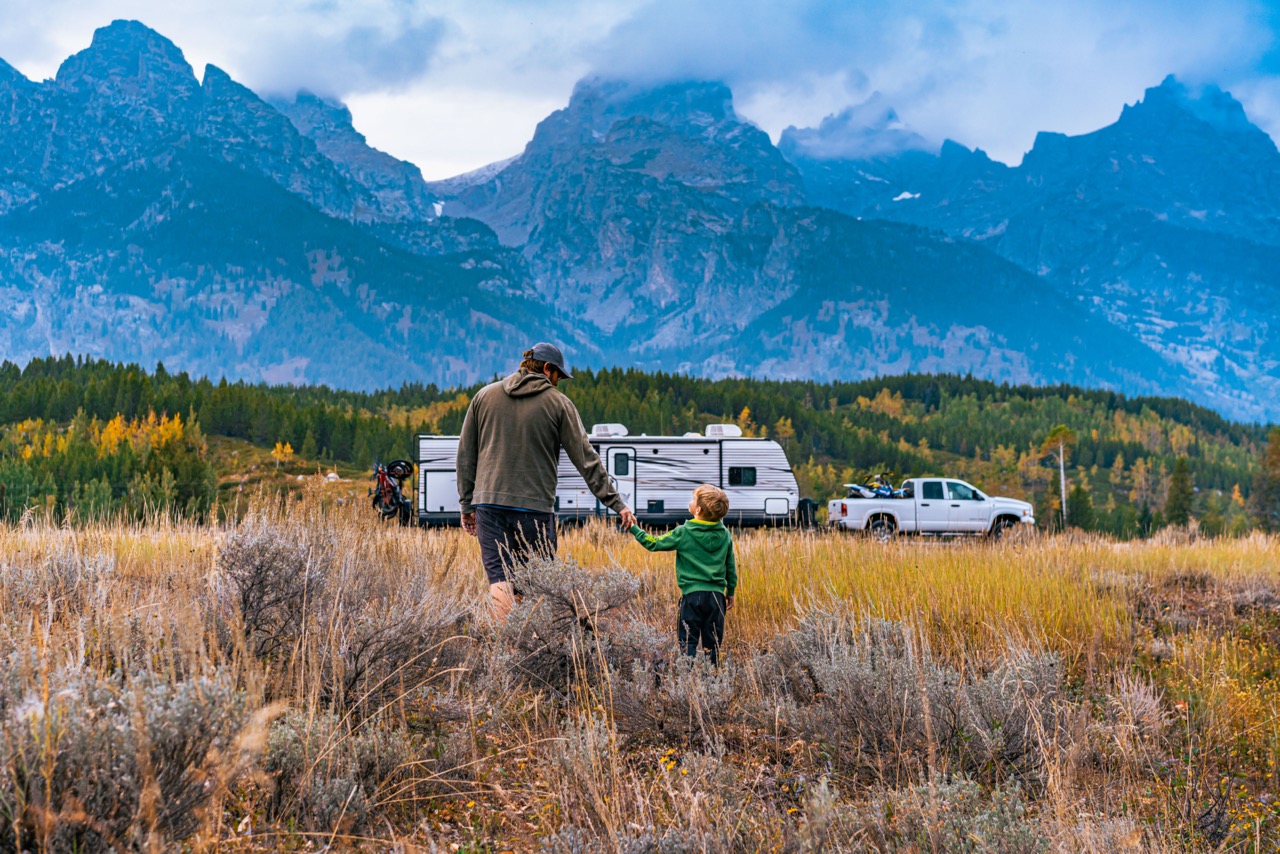
The Real Cost of RV Ownership: What No One Tells You
By Todd Colley, Hap’s Helpful Hacks with Great American RV SuperStores
RV ownership gets sold as freedom, and to be fair, that part is real.
It’s the freedom to leave on a Friday afternoon without hotel reservations. The freedom to bring your kids, your dogs, your gear, and your schedule with you. The freedom to slow life down instead of rushing through it.
What doesn’t get explained nearly as well is what RV ownership actually costs over time.
Not just the sticker price.
Not just the monthly payment.
And not the exaggerated horror stories that dominate headlines and social media.
I’ve spent over 20 years in the RV industry. Over about a decade of camping, my family owned three RVs, one new and two used. My dad and brother owned RVs as well. I’ve lived this lifestyle and worked in it long enough to see where expectations break down.
This article isn’t here to scare you away. It’s here to reset expectations, because almost every negative RV experience I’ve seen came down to a lack of education, not a bad decision. I can’t speak for everyone, there are things outside of some owners’ control, but this absolutely applies to many of the stories you hear.
Chapter 1: The Monthly Payment Isn’t the Whole Story
Most RV buying conversations start with the monthly payment. That’s normal. I had a payment window too, and I made sacrifices to get what I wanted.
For us, the payoff was traveling as a family. Bringing our dogs. Taking our daughter camping starting when she was one year old.
But as mentioned earlier, and I can’t say it enough, the payment is just the starting line.
Ownership evolves. Our first camper was a pop-up that I purchased with cash and rebuilt myself. Then came a 25-foot Keystone Bullet, where our daughter slept on the dinette booth. As she got older, our needs changed.
We moved into a bunkhouse not just for her, but for cousins and friends who would join us from time to time. That bunk space also doubled as a place for the dogs to sleep or extra storage on longer trips.
RV storage mattered too. Living in an HOA neighborhood meant off-site storage. It wasn’t exciting, but it was predictable, and predictable costs don’t create stress.
Even towing involved trade-offs. I chose a three-quarter-ton truck for peace of mind. Could I have used a half-ton? Sure, if I stayed local. But I valued confidence in the mountains.
That’s the real cost: trade-offs, not surprises.
Chapter 2: The Monthly and Annual Costs Most Owners Don’t Budget For
Once ownership begins, recurring costs show up. They’re not shocking unless you didn’t expect them, and let’s face it, nobody goes looking for extra costs when they have a dream knocking on their door.
If your RV payment feels like the absolute top of what you can afford, everything else will feel heavy. If the payment feels comfortable, the rest of the costs feel like part of the experience instead of an interruption.
Insurance is mandatory and functions more like homeowners insurance than car insurance. It may cover personal belongings, attached equipment, and even temporary living expenses in some cases. RV storage is a reality for many. Fuel varies with distance and terrain.
Camping style matters most. We often stayed at state parks, with clean bathhouses, hiking included, and lower nightly costs. No extra fees for those amenities, just a little time spent researching and checking reviews. Arkansas parks let us spend a full week without leaving. Waterfalls, trails, and park lodges were available when we wanted a night out.
Resorts were fun for holidays like Halloween and Memorial Day, but the costs added up. Neither option is wrong, you just need to know which fits your budget.
We cooked most of our meals. Played board games on rainy days. Failed at fishing in northern streams. Hiked state park mountain trails. Small choices kept costs predictable and made the trips, and ownership, far more enjoyable at the end of the day.
Chapter 3: Maintenance Isn’t Optional
One of the biggest misconceptions about RV maintenance is the idea that “if I’m not using it, it’s fine.”
In reality, RV appliances are often worse off when they sit unused.
Water heaters, furnaces, air conditioners, refrigerators, and generators all benefit from being exercised regularly. Seals dry out. Components stick. Corrosion forms.
Think about a car that sits in a driveway for a year and gets driven twice. The oil degrades. The battery dies. Tires age. Paint fades. The same logic applies to RVs.
Water intrusion is the biggest long-term threat. Roofs, seals, and slides need attention. Small checks prevent big repairs.
If you own it, you maintain it, whether you’re actively camping or not.
These are facts nobody volunteers when you’re buying. But they will tell you preventive maintenance is cheaper than reactive repairs, every time.
Chapter 4: Repairs, Downtime, and Reality
Even with experience and constant oversight, I still ran into problems from time to time. Some things are simply unavoidable. The difference experience makes isn’t that issues stop happening, it’s how you respond when they do.
There were times I bypassed a problem temporarily, times I worked around it, and times I just said, “We’ll deal with it later,” because the moment with my wife and daughter mattered more. That moment won’t be there tomorrow. The RV problem still will.
Repairs are part of RV ownership. They don’t mean you bought the wrong unit or made a bad decision. RVs are complex systems, and even well-built ones need adjustments, wear-item replacements, and occasional repairs over time. Most service visits aren’t catastrophic failures. They’re the normal result of moving a house down the road.
Warranties matter, but they don’t prevent problems. Manufacturers aren’t perfect, that’s exactly why warranties exist. If coverage were longer or more inclusive, the RV would cost more, and people would be frustrated with that instead.
Extended warranties can help in certain situations, but they come with deductibles, limits, and approval processes that owners need to understand up front.
What frustrates most owners isn’t the repair itself, it’s the downtime. An RV in the shop can mean a delayed trip, waiting on parts, or changing plans you were excited about. RV service takes time. That’s not neglect or indifference, it’s reality. When you understand that ahead of time, those moments are easier to navigate without letting them steal the experience.
Chapter 5: Depreciation Isn’t a Secret, It’s a Trade-Off
Let’s be clear from the start:
An RV is not an investment.
They’re meant to be used, not parked and preserved.
That doesn’t make RV ownership a bad decision, it just means it needs to be judged differently. RVs are lifestyle tools. They exist to create experiences, not to sit untouched protecting resale value.
Remember, I’ve owned both new and used RVs.
Depreciation only hurts when expectations are wrong.
Buying new gives peace of mind early. Buying used lowers the initial hit. Neither avoids depreciation, they just change when and how you feel it.
What actually protects value isn’t model year. It’s condition.
A well-maintained RV will always hold value better than a neglected one, regardless of age. Maintenance doesn’t just keep your RV reliable, it directly affects what it’s worth later.
Depreciation Is the Cost of Access
You’re not losing money, you’re paying for access.
Access to weekends away.
Access to bringing your dogs.
Access to watching your kids experience the world for the first time.
Access to time together you don’t get back.
When we were hiking state parks and sitting by the fire at night, watching my daughter see a hundred fireflies rise from the ground in awe, I wasn’t thinking about depreciation. I was watching my daughter discover the world, and seeing it again through her eyes.
Chapter 6: Accessories, Expectations, and Imperfect Moments
You don’t need everything on day one. We bought the basics and added as we learned and grew. Many gadgets marketed as “must-haves” just took up storage space and created frustration when they didn’t work.
RVs are built to be affordable and adaptable. You’re given what you need, and in most cases, the ability to add what you want later.
Some designs can improve. Manufacturers listen. But RVs aren’t smartphones. Updates happen through longer production cycles.
And here’s the part no checklist prepares you for: some of the best camping stories start as misfortune.
I still argued with my wife while backing into sites. Experience doesn’t remove those moments, it just gives you better stories.
Sometimes it’s frustrating. Sometimes it’s funny later. Either way, it’s part of it.
RV culture is a sharing culture. Everyone has a story that starts with, “Oh yeah, one time…”
Chapter 7: Why People Still Choose RV Ownership
RV ownership trades convenience for control.
You control where you go, who comes, and how long you stay. It costs money, but replaces hotels, flights, rental cars, pet boarding, and rushed schedules.
Time together is the real asset.
RV ownership isn’t for everyone, and that’s okay. It takes commitment and responsibility.
My family and I don’t camp right now. My daughter plays competitive sports. My lifestyle changed, and so did my expectations. I hope to do it again someday, but I know what it takes to enjoy it, and sometimes it’s a lot.
Remember this: negativity sells. Loud voices get clicks. That’s why horror stories dominate and accountability isn’t in the dictionary.
My story is different. This is lived experience. I don’t know everything, but I know what I’ve seen.
Budget first. Maintain second. Everything else comes later. Form your own opinion, even if it disagrees with mine. Find people you trust. Ask questions.
Education removes surprise, not challenge.
Final Word: The Real Cost and the Real Reward
The real cost of RV ownership is money, time, patience, maintenance, and learning.
But it’s also freedom, bonding, stories, and memories that outlast the RV itself.
For the right family, it’s worth it, not because it’s perfect, but because it’s real. And real experiences create lasting memories and stronger bonds.
At Great American RV SuperStores, we believe in helping you start your RV journey the right way, with education, trust, and transparency. Because owning an RV isn’t about buying a vehicle. It’s about investing in a lifestyle that brings people together.
If you’re ready to explore what RV ownership could look like for you, our team is here to help every step of the way.
Recent Comments