Understanding GE 12 Volt RV Refrigerators: Operation, Care, and Troubleshooting
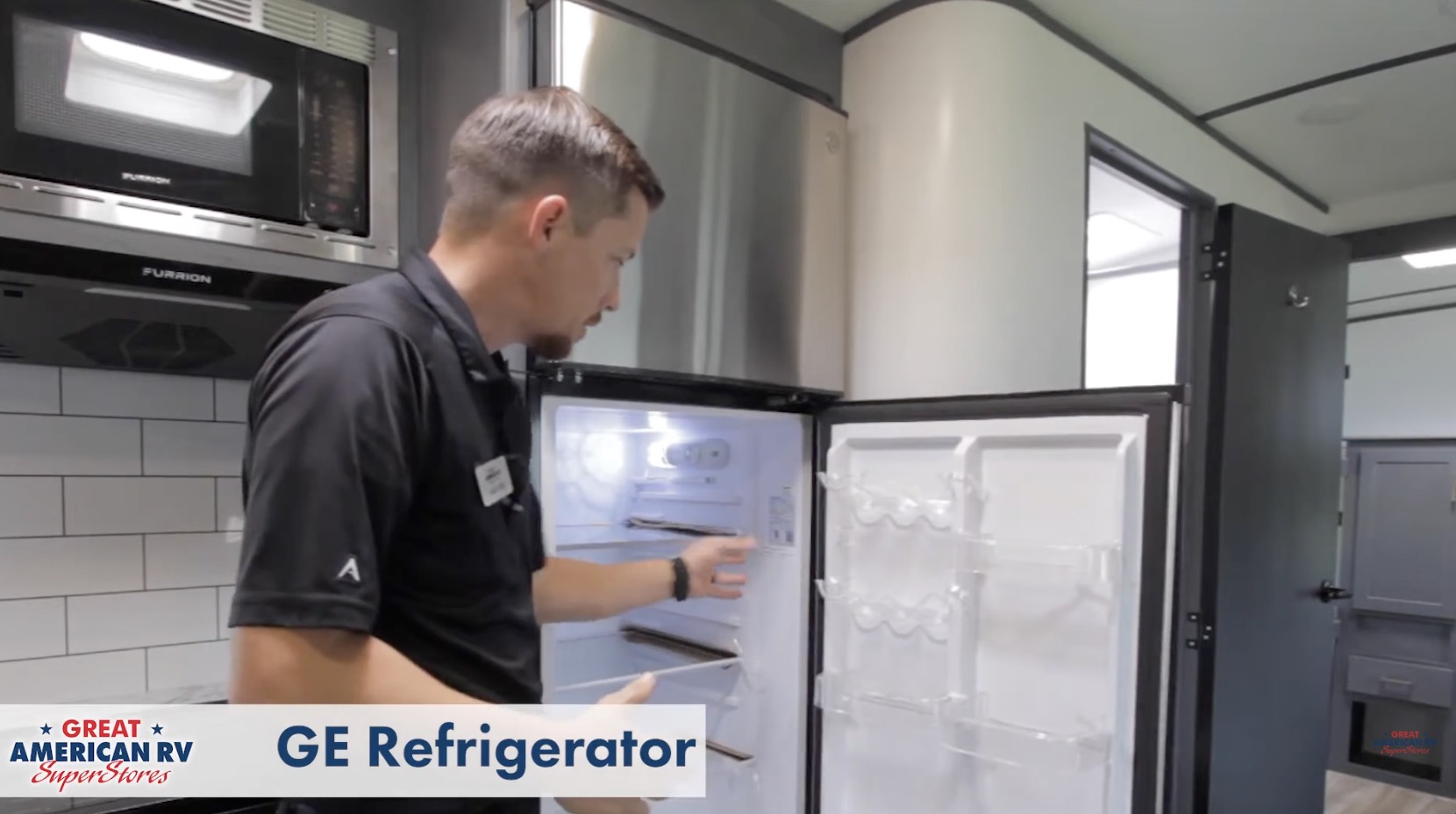
GE 12-volt refrigerators are becoming one of the most popular cooling solutions in modern RVs, offering homeowners the familiar look, feel, and performance of a residential-style fridge while running efficiently and quietly on the RV’s 12-volt DC house battery system. Unlike traditional absorption refrigerators that rely on propane or 120-volt AC heating elements and can be slow to cool or sensitive to off-level operation, GE 12V models use a modern compressor that delivers fast temperature recovery, consistent cooling, and very low noise — even when boondocking or dry camping far from shore power.
In 2026, GE 12V refrigerators (typically 8–16 cubic foot double-door models) are standard or a highly requested upgrade in many new travel trailers, fifth wheels, toy haulers, and Class B+ and Class C motorhomes from brands like Forest River, Keystone, Grand Design, Jayco, Winnebago, and others. Owners rave about the ability to run them 24/7 on solar and lithium batteries, the lack of propane smell inside the coach, and the quick cooldown after restocking groceries or after frequent door openings. This comprehensive guide covers everything you need to know: how the compressor and system operate, initial setup and power-on, control panel navigation and temperature/zone settings, operating modes (Normal, Eco/Night, Vacation if equipped), alarms and error codes, defrosting and cleaning procedures, storage and winterizing steps, electrical requirements and fuse locations, battery management for off-grid use, common issues and step-by-step troubleshooting, preventive maintenance routines, travel preparation, integration with other RV systems (solar, inverters, battery monitors), upgrade considerations for 2026, and an expanded FAQ section based on real owner questions and Great American RV SuperStores service bay feedback. Proper operation, voltage awareness, and routine care ensure your GE 12V refrigerator performs reliably for many years.
At Great American RV SuperStores, we install, service, and explain GE 12V refrigerators daily during PDI inspections, customer deliveries, and warranty work. Most early frustrations come from low battery voltage preventing startup, improper defrosting causing water damage, misunderstanding error codes, or not realizing how sensitive compressor units are to levelness and airflow. Once you understand the system and follow a few basic routines, the GE fridge becomes one of the easiest and most dependable appliances in your RV.
Hey Happy Campers! Todd here with Great American RV SuperStores.
Today we’re going in-depth on how to operate, adjust, maintain, and troubleshoot your GE 12-volt RV refrigerator — from initial setup and power-on to navigating the control panel, setting temperatures and modes, handling defrosting and cleaning safely, preparing for storage or travel, managing battery power for off-grid use, understanding alarms and error codes, troubleshooting common failures, performing preventive maintenance, and answering the questions we hear most often from owners in 2026.
If you’d prefer a step-by-step visual demo, check out the full walkthrough on the Great American RV SuperStores YouTube channel in our Hap’s Helpful Hacks playlist.
Let’s keep your food fresh, your drinks cold, and your batteries healthy!
System Overview: Why the GE 12V Refrigerator Stands Out
The GE 12V RV refrigerator is a compressor-driven, all-electric unit that operates exclusively on 12-volt DC power from your RV’s house battery bank. There is no propane mode, no 120-volt AC heating element, and no absorption cooling cycle — it functions exactly like a modern home refrigerator but is engineered for RV use with vibration resistance, wide voltage tolerance (typically 10.5–15V), and efficient power draw.
Key features in 2025–2026 GE 12V models:
- Double-door design — separate freezer (left, top or bottom depending on model) and refrigerator (right) compartments.
- Variable-speed compressor — adjusts speed based on cooling demand, saving energy and reducing noise.
- Multi-zone temperature control — independent settings for freezer and refrigerator (some models include crisper drawer zone).
- Digital control panel — touch or button interface with LED display showing set temperatures, modes, and alerts.
- Low average power consumption — 3–8 amps (peaks higher on startup), making it highly compatible with solar and lithium battery setups.
- Quiet operation — compressor hum is far quieter than absorption units or generators.
- Fast temperature recovery — compressor restarts quickly after door openings, minimizing warm-up time.
- Frost-free or manual defrost options — most models are manual defrost for simplicity and efficiency.
Power draw varies by model, ambient temperature, and usage:
- Idle/compressor off: ~0.5–1 amp
- Normal cooling cycle: 3–6 amps average
- Startup surge: 10–20 amps briefly
- Heavy load/hot ambient: up to 8 amps continuous
This makes the GE 12V one of the most battery-friendly full-size RV refrigerators available. With 400–800W solar and 400Ah+ lithium batteries, many owners run it 24/7 during summer boondocking with little or no generator use.
Initial Setup and Power-On Procedure
Before first use or after long storage:
- Remove All Shipping Materials — Take out packing tape, foam blocks, protective film, shelf packaging, and any plastic clips.
- Level the RV — Use your leveling system (LCI, Equalizer, Bigfoot, etc.) so the refrigerator sits as level as possible. Compressor refrigerators are very sensitive to tilt — operation more than 3–5 degrees off level can reduce efficiency, increase compressor noise, cause uneven cooling, or even lead to oil starvation in the compressor.
- Connect Power — Ensure house batteries are fully charged (12.6V+ resting voltage) and the 12V system is active. Confirm the battery disconnect switch is ON.
- Power On the Refrigerator — Press and hold the Power button (usually 3 seconds) until the display lights up and the compressor starts. If the display remains blank, check fuses (main 12V panel + secondary fuse on the refrigerator itself).
- Allow Full Stabilization — Run the empty refrigerator for at least 24 hours to reach operating temperature before loading food. This allows the compressor oil to circulate properly and the unit to stabilize.
- Initial Temperature Settings — Set refrigerator to 37°F (3°C) and freezer to 0°F (-18°C) as safe starting points.
- Test Run — Monitor compressor cycling (quiet hum), listen for normal operation, and verify both compartments cool evenly.
Understanding and Navigating the Control Panel
The GE 12V refrigerator uses a simple digital control panel (usually located inside the fresh food compartment or on the door frame). Common layout includes:
- Power Button — Press and hold 3 seconds to turn on/off.
- Temperature/Zone Selection Buttons — Cycle between Freezer, Refrigerator, and Crisper (if equipped).
- Up/Down Arrows — Adjust temperature in the selected zone.
- Mode Button — Cycles through Normal, Night/Eco, Vacation (if available).
- Lock Icon — Hold to lock/unlock controls (prevents accidental changes).
- LED Display — Shows set temperature for active zone, mode icons, and alerts.
To Adjust Temperatures:
- Unlock controls — Hold Lock button until lock icon disappears (3–5 seconds).
- Select zone — Press Freezer, Fridge, or Crisper button.
- Adjust — Use Up/Down arrows (typical ranges: Refrigerator 33–46°F / 1–8°C; Freezer -8 to 7°F / -22 to -14°C).
- Save — Wait 5 seconds or press Lock to save and relock.
The display shows the set temperature, not the actual internal temperature. Always use a separate refrigerator/freezer thermometer to verify real conditions — place one in each compartment.
Operating Modes: Normal, Night/Eco, Vacation
- Normal Mode — Full compressor capacity for everyday use. Provides fastest cooling and recovery but draws the most power (3–8A average).
- Night Mode / Eco Mode — Reduces compressor run time and cycles less aggressively to conserve 12V battery power. Maintains safe temperatures with 30–50% less energy use. Ideal for overnight boondocking or when doors remain closed.
- Vacation Mode (available on some models) — Minimizes power consumption for extended absences — holds safe temperatures with very low draw. Perfect for mid-week work trips or leaving the RV unattended.
To switch modes: Press the Mode button until the desired icon appears on the display.
Alarms, Voltage Monitoring, and Error Codes
GE 12V refrigerators actively monitor system voltage and health:
- OV (Over Voltage) — Battery voltage >15V — rare; usually indicates overcharging from converter or solar.
- UV (Under Voltage) — Battery voltage <10.9V — compressor shuts down to prevent damage; charge batteries immediately.
- E1–E9 Error Codes — Indicate specific faults:
- E1: Temperature sensor failure
- E2–E3: Fan or airflow issues
- E4–E6: Compressor-related faults
- E7–E9: Control board or communication errors
- Refer to your specific model manual for exact code meanings — most require professional diagnosis.
Voltage operating range: 10.9V–15V. Below 10.9V triggers protective shutdown. Adding a battery monitor (Victron BMV-712 or similar) lets you catch low voltage early.
Defrosting, Cleaning, and Storage Procedures
- Defrost — No automatic defrost cycle; manual defrost required. Remove all food, turn unit off, leave doors open 24–48 hours to melt ice. Place towels or a shallow pan to catch water — no drain tube exists, so water can run onto flooring or cabinetry if not managed.
- Cleaning — Use baking soda and water solution; avoid abrasive cleaners or harsh chemicals. Remove shelves and drawers for thorough cleaning. Wipe door seals to prevent mold and ensure tight closure.
- Storage — Defrost completely, clean and dry all compartments, prop doors open slightly (use a small block or strap), disconnect power (remove fuse or turn battery disconnect off), and use a battery maintainer to prevent deep discharge.
Electrical Requirements and Troubleshooting
- Fuse Locations:
- Main fuse: 30–40A in RV 12V fuse panel (labeled “Refrigerator” or “Fridge”).
- Secondary fuse: On rear control board (remove rear access panel to reach).
- No Power / Display Blank — Check main fuse, secondary fuse, battery voltage, battery disconnect switch.
- Not Cooling — Low voltage, dirty condenser coils (rear), poor door seal, overloaded fridge, compressor fault.
- Noisy Operation — Normal compressor hum; excessive noise = low voltage, off-level, or failing compressor.
- Frost Buildup — Frequent door openings, poor seal, high humidity — defrost and check seals.
- Error Codes (E1–E9) — Refer to manual; most require service (sensor, fan, compressor, board).
Battery Management for Off-Grid Use
- Average draw: 3–8A — 400W solar + 400Ah lithium batteries supports 24/7 operation in moderate climates.
- Use Night/Eco Mode off-grid to reduce compressor runtime.
- Monitor voltage closely — add a battery monitor (Victron BMV or shunt-style).
- Avoid deep discharge — compressor shutdown below 11V protects unit but leaves food warming.
- Pre-cool on shore power before boondocking — reach target temperature first.
- Minimize door openings — plan access; use a separate cooler for frequent items.
Travel Preparation
- Secure doors — Use travel latch or straps to prevent swinging.
- Power off — Hold Power button 3 seconds.
- Lower temperature slightly before travel — extra cooling buffer.
- Retract roof antenna if using OTA TV.
Common Issues and Fixes
No power — Check fuses, voltage, disconnect switch. Not cooling — Charge batteries, clean coils, check door seals. Frost buildup — Defrost, minimize openings, check seal. Error codes — Refer to manual; service for E1–E9 faults. Noisy compressor — Normal; persistent noise = low voltage or off-level.
Expanded Frequently Asked Questions
How much power does it draw? 3–8A average; 10–20A surge on startup.
Can I run it on solar only? Yes — 400W+ panels and 400Ah+ lithium recommended.
Why is the freezer frosting up? Frequent door openings or poor seal — defrost and check gaskets.
Display shows dashes — is it broken? Normal in off/storage mode — hold Power 3 seconds to restart.
Travel latch missing? Replacement ~$10 from dealer or online.
How cold should freezer get? 0°F or below — verify with thermometer.
Can I adjust temperature while locked? No — unlock first by holding Lock button.
Why won’t it cool after a power outage? Allow 4–24 hours to stabilize; check voltage.
Best way to clean interior? Baking soda/water solution; avoid abrasives.
Fuse location? Main in 12V panel; secondary on rear control board.
Is it frost-free? No — manual defrost required periodically.
Tilt tolerance during travel? Up to 30° short-term; level for extended operation.
App control available? Some 2026 models yes — check serial number for compatibility.
Why does it run more in hot weather? Higher ambient temperature — normal; ensure rear ventilation.
Can I add more shelves? Yes — adjustable; order from GE or aftermarket suppliers.
Noisy startup? Normal compressor sound; persistent noise = check voltage/level.
How to reduce off-grid power draw? Use Night Mode, minimize door openings, pre-cool on shore power.
What if compressor doesn’t start? Low voltage or fault — charge batteries, check error code.
The Bottom Line
The GE 12V RV refrigerator delivers reliable, efficient cooling with simple operation: keep batteries charged, unlock the panel before adjustments, use Night Mode off-grid, defrost and clean regularly, monitor voltage, and level the RV. With basic care, it runs quietly on solar or shore power, keeping food fresh and drinks cold trip after trip.
By following these steps:
- Unlock before adjustments.
- Use Night Mode off-grid.
- Defrost and clean regularly.
- Keep voltage strong.
- Level the RV for best performance.
You’ll enjoy worry-free refrigeration and longer off-grid adventures.
Watch the Full Video Walkthrough See everything demonstrated step-by-step in our How to Operate Your GE 12V RV Refrigerator video from the service team. Find it on the Great American RV SuperStores YouTube channel in the Hap’s Helpful Hacks playlist.
At Great American RV SuperStores, we don’t just sell RVs we help you understand how to use them. We’re making memories one weekend at a time. 🚐
*This content is not a legal standard or regulation, and does not create any new legal obligation. It is advisory in nature, informational in content, and is intended to assist and educate consumers in the use and enjoyment of their recreational vehicles. Great American RV SuperStores does not hereby make any warranty, express or implied, and does not assume any liability with respect to the use of, or damages resulting from the use of any information, method or process included in this content.
Recent Comments