Understanding RV Auto Changeover Propane Regulators: How They Work and Why They Matter
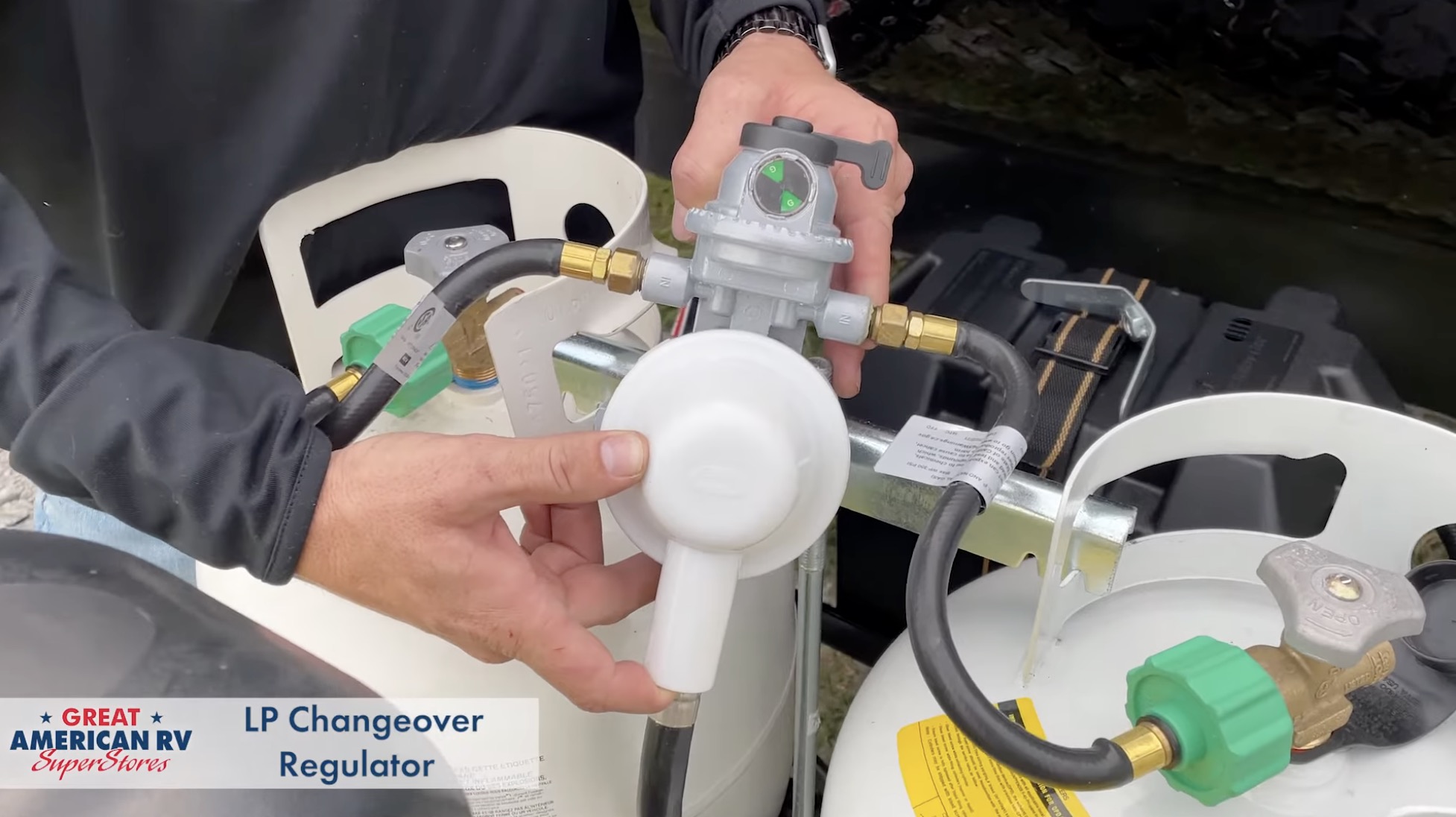
Uninterrupted propane flow isn’t just convenient — it’s what keeps your RV life comfortable and reliable. Whether you’re running the furnace on a chilly night, heating water for showers, keeping the fridge cold, cooking family meals, or powering other appliances, your propane system is the backbone of off-grid comfort. When one tank runs dry unexpectedly, everything can come to a sudden stop: no heat in freezing temps, spoiled food in the fridge, cold showers, or even safety issues if the furnace quits mid-use. That’s exactly why the auto changeover regulator is such a game-changer for most RVs equipped with dual propane tanks.
Nearly every modern travel trailer, fifth wheel, and many motorhomes come standard with two propane tanks (typically 20-lb or 30-lb DOT cylinders) and an auto changeover regulator. Popular brands include Marshall Excelsior (often praised as one of the most reliable), Camco, Fairview, Suburban, Cavagna, and Flame King. This compact device not only regulates pressure for safe appliance operation but also automatically switches from an empty primary tank to the full reserve tank, ensuring seamless flow while alerting you to refill needs.
At Great American RV SuperStores, we believe understanding your RV systems prevents headaches on the road, saves money on emergency service calls, and keeps your adventures stress-free and enjoyable.
Hey Happy Campers! Todd here with Great American RV SuperStores.
Today we’re breaking down everything you need to know about your RV auto changeover propane regulator — detailed operation mechanics, safe setup and usage, the critical indicator system, step-by-step troubleshooting for common issues, essential maintenance practices, real-world tips from experienced RVers, expanded FAQs, and even some recommendations on top models based on current reliability feedback.
If you’d prefer a step-by-step visual demo, check out the full walkthrough on the Great American RV YouTube channel in our Hap’s Helpful Hacks playlist.
Let’s keep the propane flowing smoothly!
What an Auto Changeover Regulator Does
An auto changeover regulator is essentially a two-stage propane regulator with an integrated automatic switching mechanism for dual-tank setups. It performs two main jobs:
- Pressure Regulation (Two-Stage Design): Propane leaves the tank at high pressure (100–200+ PSI depending on temperature). The first stage drops this to an intermediate level (around 10–15 PSI), while the second stage fine-tunes it to the standard 11 inches water column (about 0.4 PSI) required by RV appliances like furnaces, water heaters, stoves, fridges, and generators. This consistent low pressure prevents damage, ensures clean burning, and maintains efficiency.
- Automatic Tank Switching: When the primary tank drops to low pressure (typically around 10–20 PSI remaining), the regulator senses the difference and switches to the reserve tank without interrupting flow. Appliances keep running normally — no flickering pilot lights, no furnace shutdowns, no fridge warming up.
This prevents the dreaded “middle-of-the-night outage” scenario, especially useful for boondocking, cold-weather camping, or long trips where refills aren’t immediate.
Understanding the Indicator Window
The most user-friendly feature is the small color-coded indicator window (usually on the front or top of the regulator):
- Green — Indicates the tank the selector lever/dial is pointing toward has sufficient pressure and is set as the primary supply.
- Red — Signals that the designated primary tank is empty (or critically low), and the regulator has switched to the reserve tank.
Crucial detail: After automatic changeover occurs, the indicator remains red even though propane is now flowing from the reserve. This is intentional — it serves as a persistent reminder that the original primary tank needs refilling or replacement. The color always reflects the status of the tank the lever is pointing to, not necessarily the active supply source at that moment.
How the Changeover Process Works Step-by-Step
Here’s the practical sequence most RVers use:
- Mount and Connect: The regulator is typically mounted centrally between the two tanks on the RV’s front propane tray. Connect flexible pigtail hoses from each tank valve to the regulator’s inlets (ensure threads match — usually POL or QCC1/ACME).
- Initial Setup: Turn both tank service valves fully open (slowly, to avoid tripping the excess flow valve). This is key — closing one defeats the auto feature.
- Select Primary: Flip the top selector lever/dial to point toward your preferred starting tank (e.g., the fuller or newer one). The indicator should turn green if pressure is good.
- Normal Operation: Appliances draw solely from the primary tank. The reserve sits ready.
- Automatic Switch: As the primary nears empty (pressure drops below ~10–20 PSI), the internal mechanism detects the differential and shifts to the reserve tank. Flow continues uninterrupted. Indicator turns red.
- Refill and Reset: Refill or swap the empty tank. Once reconnected and valve opened, flip the lever to point toward the now-full tank. Indicator returns to green; the process restarts with the fresh tank as primary.
This cycle ensures you always have a reserve buffer and clear visual cues.
Safety First
Propane is safe and efficient when respected:
- Test smoke and carbon monoxide detectors before every trip (replace batteries annually).
- Get an annual professional propane system leak test (lines, connections, regulator, tanks).
- If you smell propane (rotten eggs odor), shut tanks off immediately, ventilate widely, avoid sparks/ignition sources, and seek professional help.
- Turn tanks off during refueling, long storage, or travel (per some manufacturer guidelines).
- Keep the regulator compartment clean — no debris, spider webs, or corrosion buildup.
- Use only certified DOT tanks and quality pigtails; inspect hoses for cracks, brittleness, or leaks (replace every 5–10 years or sooner).
- Never overtighten fittings — hand-tight plus 1–2 wrench turns suffices.
- The built-in excess flow valve protects against sudden surges (e.g., opening valves too fast) by restricting flow — reset by closing valves, waiting 30–60 seconds, then reopening slowly.
Common Mistakes We See in Service (and How to Avoid Them)
Many “no propane” calls are user-error:
- Only one tank valve open — no auto switch possible.
- Opening valves too quickly — trips excess flow (reset as above).
- Ignoring red indicator — running reserve dry too.
- Damaged/cracked pigtails — cause leaks (inspect/replace regularly).
- No leak checks after reconnecting — always use soapy water spray.
- Regulator installed upside down or vent not downward — invites water/freeze/corrosion.
- Forgetting to flip lever after refill — indicator stays red unnecessarily.
Routine Maintenance Tips
These low-effort steps extend life and reliability:
- Annual visual/leak inspection: Look for corrosion, cracks, or damage; spray soapy water on connections/indicator when pressurized (bubbles = leak).
- Clean gently: Wipe exterior with soft cloth; avoid abrasives/chemicals.
- Pigtail hoses: Replace every 5–10 years or if cracked/soft/leaking.
- Regulator lifespan: Most last 10+ years; replace if leaking, indicator stuck, or no switchover (date codes often stamped on body).
- Exercise switching: Manually flip lever a few times yearly to keep internals free.
- Protect from weather: Ensure cover in place; add a protective boot in harsh climates.
- Professional check: Include in annual propane system service.
If indicator fails to change, switch doesn’t occur despite proper setup, or leaks appear, replace the unit — they’re inexpensive ($40–$100) and easy to install.
Recommendations for Reliable Models
Based on current RVer feedback and reliability reports (as of 2026):
- Marshall Excelsior MEGR-253 (or 253L low-flow variant) — Frequently called one of the best; USA-made, durable, consistent switching, fewer failures.
- Flame King 2-Stage Auto — Solid overall performer with good reviews for ease and value.
- Fairview High Capacity — Great for higher BTU needs (e.g., larger rigs or generators).
- Avoid older/lower-rated imports if possible — many prefer Marshall for longevity.
Expanded Frequently Asked Questions
How do I know when to replace my auto changeover regulator? Replace every 10 years, or sooner if leaking, indicator doesn’t change properly, no auto switch despite setup, or corrosion/damage visible.
Why does the indicator stay red after changeover? Normal design — it reminds you the original primary is empty. Flip lever to reserve (now active) to reset to green.
My regulator won’t auto-switch — what’s wrong? Reserve valve closed, excess flow tripped (reset slowly), air in lines, low pressure, faulty internal mechanism, or pigtail issue. Test by swapping lever.
Can I run both tanks open all the time? Yes — that’s the standard for auto changeover. Monitor indicator to avoid surprises.
Why did appliances stop suddenly? Excess flow tripped (open valves slowly), both tanks empty, leak, or regulator failure. Reset and check.
Differences between brands (Camco, Marshall, Suburban, etc.)? All similar, but Marshall Excelsior often tops reliability lists; some have higher flow ratings for big appliances.
How much propane does the regulator “waste”? None — it’s passive. Usage comes from appliances only.
Should I adjust regulator pressure? No — factory-set at 11″ WC. Tampering risks safety; pro service if appliances underperform.
Smell propane near regulator? Shut tanks off, ventilate, no ignition sources — likely leak at connection/diaphragm. Professional inspection required.
Can I use with external propane hookup? Yes, but external may bypass auto feature; close tank valves when using external.
Indicator stuck or not changing color? Clean gently; if persistent, replace regulator — internals may be gummed up or failed.
Best way to reset excess flow valve? Close both tank valves, wait 30–60 seconds (or longer), reopen slowly one at a time.
The Bottom Line
RV auto changeover propane regulators are brilliantly simple devices that deliver real peace of mind: set the lever to primary, keep both valves open, monitor the indicator. Green means go; red means “refill soon” — all while your furnace, water heater, fridge, and stove keep running without interruption.
By mastering these basics:
- Always operate with both tanks open and valves slow-opened.
- Check the green/red indicator regularly (daily in heavy use).
- Perform annual inspections, leak tests, and pigtail replacements.
- Exercise the lever and replace regulator/pigtails on schedule (10-year mark).
- Reset excess flow carefully and understand your model’s quirks.
You can extend trips, camp in colder weather confidently, and focus on making memories instead of worrying about fuel.
Watch the Full Video Walkthrough See everything demonstrated step-by-step in our RV Auto Changeover Propane Regulator video from the service team. Find it on the Great American RV SuperStores YouTube channel in the Hap’s Helpful Hacks playlist.
At Great American RV SuperStores, we don’t just sell RVs — we help you understand how to use them. We’re making memories one weekend at a time. 🚐
*This content is not a legal standard or regulation, and does not create any new legal obligation. It is advisory in nature, informational in content, and is intended to assist and educate consumers in the use and enjoyment of their recreational vehicles. Great American RV SuperStores does not hereby make any warranty, express or implied, and does not assume any liability with respect to the use of, or damages resulting from the use of any information, method or process included in this content.
Recent Comments