Understanding Suburban RV Furnaces: Operation, Diagnostics, and Maintenance
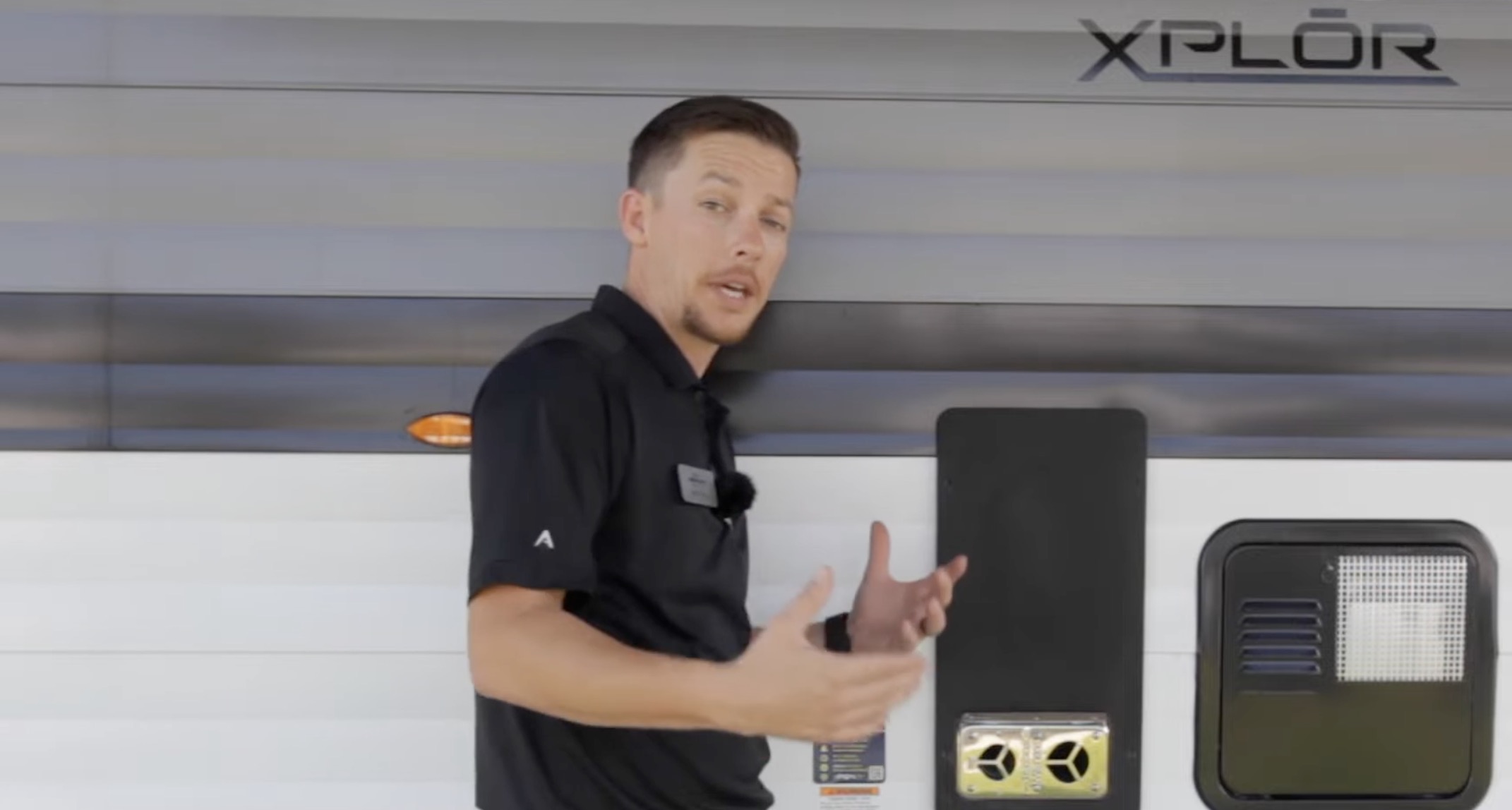
Hot air in your RV isn’t just a luxury — it’s essential for comfortable camping, especially when temperatures drop during colder seasons or winter getaways. Whether you’re bundled up for a mountain adventure, drying off after a rainy hike, or simply staying cozy at the campsite, your furnace keeps the interior livable and enjoyable.
Suburban furnaces are among the most trusted and widely installed heating systems in travel trailers, fifth wheels, and motorhomes today. They’re compact, efficient, propane-powered, and built for reliability when operated safely and maintained regularly.
At Great American RV SuperStores, we believe that understanding your RV systems prevents unnecessary service calls and gives you peace of mind on the road.
Hey Happy Campers! Todd here with Great American RV SuperStores.
Today we’re diving deep into everything you need to know about your Suburban RV furnace — how it operates, safe usage tips, routine maintenance, common troubleshooting steps, and real-world FAQs to help you stay warm without the hassle.
If you’d prefer a step-by-step visual demo, check out the full walkthrough on the Great American RV YouTube channel in our Hap’s Helpful Hacks playlist.
Let’s heat things up!
What Makes Suburban Furnaces Stand Out
Suburban furnaces (commonly from the SF-Q, SF-FQ, NT-SEQ, and similar series) are forced-air, propane-powered units designed specifically for RVs. They deliver dependable heat with features like multi-ported stainless steel burners for efficient, clean combustion, sealed forced-draft combustion to keep exhaust safely outside, automatic direct spark ignition (DSI) with no pilot light to maintain, low amp draw (typically 7-12 amps) to preserve battery life, and ducted distribution for even heating throughout the RV.
Common models include the SF-Q Series (20,000–40,000 BTU/h) for low-profile, ducted setups in mid-to-large RVs; the NT-SEQ Series (30,000–40,000 BTU/h) popular for on-the-road use with flexible side or bottom duct options; and variations like SF-FQ for quieter operation and high efficiency in specific installations. All models rely entirely on 12-volt DC power for the control board, blower motor, igniter, and gas valve — meaning even propane mode won’t function without a solid 12V supply.
Safety First
Propane appliances demand respect. Always prioritize these checks before every trip:
- Test smoke and carbon monoxide detectors (replace batteries annually).
- Schedule an annual professional propane leak test on lines, regulators, and connections.
- Never operate the furnace while refueling or if you smell propane — turn off tanks immediately and ventilate the RV.
- Keep the exterior vent/exhaust area completely clear of debris, spider webs, insect nests, or blockages.
- Turn the furnace off during travel if your RV manual requires it (some models have motion-related safety interlocks).
- Avoid blocking return air vents (often located low under a fridge, dinette, or cabinet) — restricted airflow can cause overheating and shutdowns.
Your Suburban furnace includes critical built-in safeties: high-limit switches that shut down the system on overheat, a sail switch that verifies blower airflow before allowing gas to flow, and an exterior on/off switch (typically left “on” for normal use but flipped off during service or storage).
How the System Works
The operation is simple and automatic:
- Set your wall thermostat to “furnace” or “heat” mode and raise the temperature above the current interior reading.
- The blower fan starts immediately — this is normal and confirms 12V power and initial airflow.
- After a short delay (15–30 seconds), the control board opens the gas valve, the igniter clicks, and the burner lights with a steady blue flame.
- Warm air is forced through floor registers or low wall vents — hottest near the furnace, gradually cooler farther away due to duct length and natural heat loss.
- Once the set temperature is reached, the gas valve closes (flame extinguishes), but the blower continues for 1–3 minutes to cool the heat exchanger and prevent damage from residual heat.
- The system then shuts down completely until the next call for heat.
If the burner fails to light after 3–4 attempts, the control board enters lockout mode for safety (no gas flows without confirmed flame). Reset by turning the thermostat off for 10–15 seconds, then back on to restart the cycle.
Step One: Always Check Power and Propane First
Before attempting to start:
- Verify batteries are fully charged (12.6V+ resting voltage) or the RV is plugged into shore power with a functioning converter outputting 13.5–14V.
- Confirm propane tanks are full, valves open, and pressure is stable.
- After long storage, purge air from propane lines by lighting the stove burners and holding a steady blue flame for 30–60 seconds — this clears air much faster than the furnace alone.
Weak batteries, blown fuses, or air pockets are responsible for the majority of no-heat complaints.
Propane Mode Operation and Ignition
When heat is demanded:
- Blower runs → sail switch closes (proving airflow) → gas valve opens → spark ignites burner.
- A steady blue flame indicates successful ignition.
- Repeated lockouts often point to a dirty sail switch (dust buildup prevents it from closing), weak or corroded spark electrode, low propane pressure, or control board issues.
Common Mistakes We See in Service
Many service visits are avoidable:
- Dead or weak batteries / blown 12V furnace fuse (check the fuse panel near breakers — usually 15–20A).
- Air trapped in propane lines after winter storage (always purge via stove first).
- Blocked return air vents or dirty sail switch (prevents ignition sequence).
- Corroded or misaligned electrode (clean gently with fine sandpaper; check gap per model specs, typically 1/8–3/16 inch).
- Spider webs or debris in exterior exhaust tube (restricts airflow and causes shutdowns).
- Skipping seasonal exercise (parts can seize or gum up after months of inactivity).
Annual Maintenance
Keep your furnace reliable with these straightforward steps:
- Exterior vent/exhaust cleaning: Use compressed air or a shop vac to remove dirt, soot, spider webs, and nests at least once a year — ideally before the cold season.
- Sealant inspection: Check caulking around the furnace compartment for cracks or gaps; reapply non-sag RV sealant to prevent water intrusion and corrosion.
- Interior airflow: Vacuum return air grills and blower intake area to keep the sail switch clean and free-moving.
- Burner/electrode care: If accessible, gently brush burner ports; clean and re-gap the electrode.
- System exercise: Run the furnace for 10–15 minutes monthly (even in warm weather) to keep components lubricated, burn off residue, and identify problems early.
- Bug screens: If one is installed over the exhaust, remove it during operation — screens can restrict airflow and trigger limit switches.
Unlike water heaters, furnaces have no anode rod — focus on clean airflow, strong power, and regular use.
Winterizing and Seasonal Tips
- On first use after storage or manufacturing, run briefly to burn off dust and manufacturing oils (brief odor or light smoke is normal — ventilate windows).
- In extreme cold, consider skirting around the RV or using heated water hoses to protect plumbing, but the furnace itself requires no winterization beyond ensuring the propane system is winter-grade if needed.
- For very cold weather, run the furnace periodically to prevent moisture buildup inside ducts.
Expanded Frequently Asked Questions
How long does it take for the RV to heat up? It depends on the furnace BTU rating (20,000–40,000 BTU/h common), outside temperature, RV size, insulation quality, and how cold it starts. In moderate conditions (30–50°F outside), most RVs reach comfortable temps in 20–45 minutes.
Why does the blower blow cold air at the beginning or end of the cycle? Completely normal. At startup, the heat exchanger needs time to warm up, so initial air is room temperature. At shutdown, the blower runs extra to cool the hot exchanger and push residual heat into the living space.
My furnace tries to ignite but keeps failing and locking out — what’s wrong? Most often a dirty sail switch (clean it), air in propane lines (purge via stove), weak battery voltage, or a fouled spark electrode. Reset the thermostat and retry after addressing these.
The furnace does absolutely nothing — no fan, no clicks. Help! This is almost always a 12V power issue. Check battery voltage, converter output (when plugged in), the dedicated furnace fuse in the 12V panel, and any loose/corroded wiring or grounds at the furnace or battery.
I hear popping, rumbling, or unusual noises from the furnace — is that bad? Popping/rumbling is uncommon in furnaces (more typical of water heaters with sediment). In furnaces, check for loose duct connections, debris in the blower, or expansion/contraction of metal parts during heat-up/cool-down. If persistent, have a tech inspect.
Can I safely run the furnace all night while sleeping? Yes, in most cases — many RVers do during cold weather. Ensure good ventilation, detectors are working, propane supply is adequate, and the exhaust vent is unobstructed. Monitor CO levels and never ignore alarms.
Why is heat weak or uneven from vents farther away? Normal due to duct length, bends, and heat loss along the way. Keep all vents open, avoid blocking them with furniture or rugs, and consider adding duct boosters or insulation wraps if extreme.
Does the furnace use a lot of propane? A 30,000 BTU furnace running continuously uses about 0.3–0.4 gallons per hour. Real-world usage is lower since it cycles on/off. A 20-lb tank might last 40–60 hours of intermittent use in cold weather.
Should I leave the exterior furnace switch on all the time? Yes, during normal camping season — it’s there for convenience and safety during service/storage. Flip it off only when performing maintenance or winterizing the RV.
My furnace smells like unburned gas or exhaust inside the RV — what do I do? Stop using it immediately, ventilate, and turn off propane. This could indicate a cracked heat exchanger, poor venting, or combustion issue — call a certified technician right away. Never ignore exhaust smells.
The Bottom Line
Suburban RV furnaces are durable, efficient systems when powered reliably (strong 12V), fueled properly (clean propane flow), and maintained simply (annual vent cleaning, airflow checks, regular exercise). Mastering power verification, air purging, thermostat resets, and basic cleaning keeps you warm and avoids the majority of service calls.
By following these basics:
- Always verify 12V power and propane flow before use.
- Clean vents, electrode, and sail switch annually.
- Exercise the system monthly.
- Reset lockouts safely and know your limits.
- Call pros for internal repairs (control board, gas valve, etc.).
You can enjoy consistent, worry-free heat season after season.
Watch the Full Video Walkthrough See everything demonstrated step-by-step in our Suburban RV Gas Furnace Operation and Maintenance video from the service team. Find it on the Great American RV SuperStores YouTube channel in the Hap’s Helpful Hacks playlist.
At Great American RV SuperStores, we don’t just sell RVs — we help you understand how to use them. We’re making memories one weekend at a time. 🚐
*This content is not a legal standard or regulation, and does not create any new legal obligation. It is advisory in nature, informational in content, and is intended to assist and educate consumers in the use and enjoyment of their recreational vehicles. Great American RV SuperStores does not hereby make any warranty, express or implied, and does not assume any liability with respect to the use of, or damages resulting from the use of any information, method or process included in this content.
Recent Comments