How to Operate an RV Tongue Jack When You Have No Power
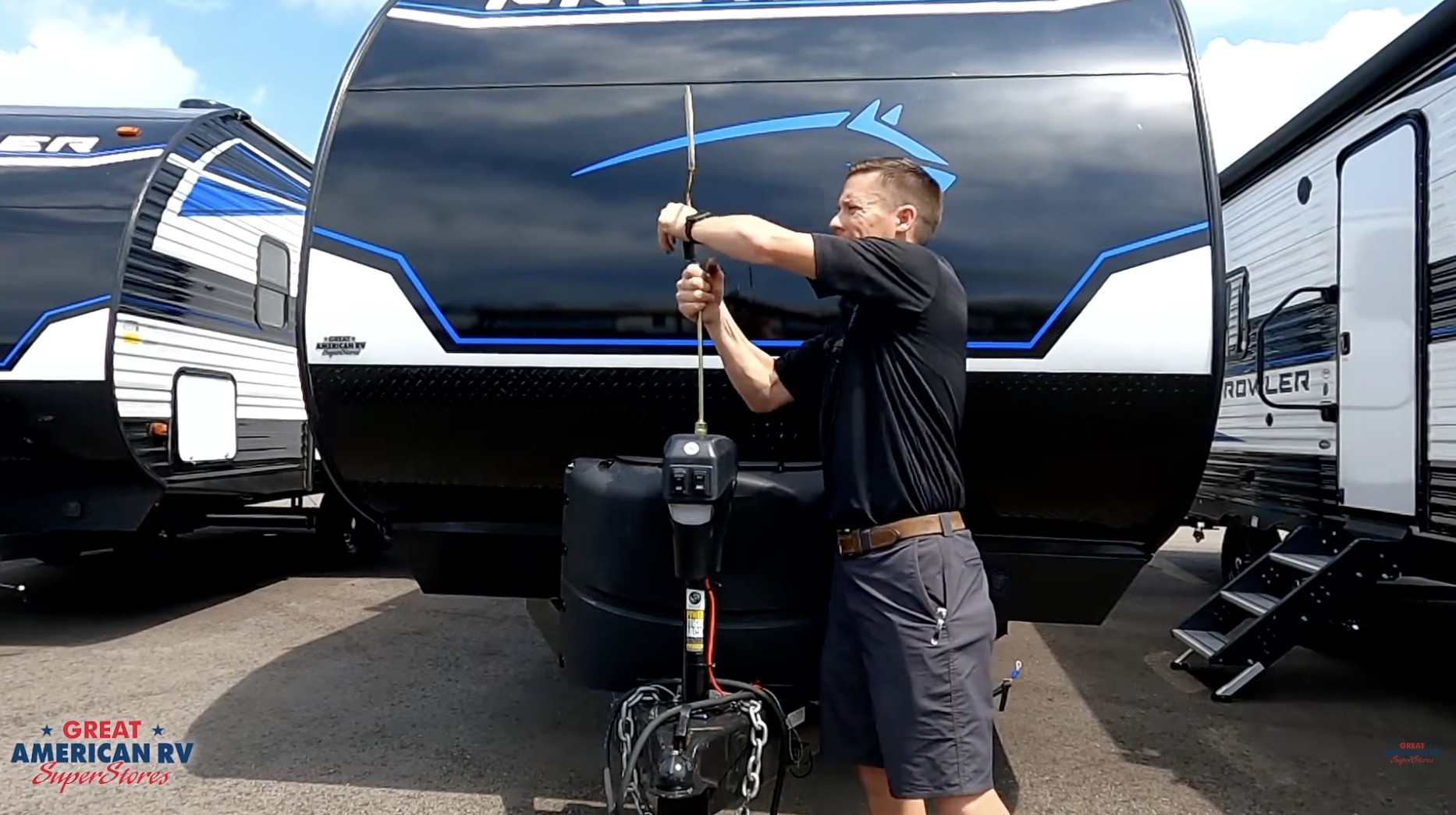
Hitching up or unhitching your RV trailer is already a key part of every trip — but when your electric tongue jack suddenly loses power, it can turn a simple task into a major hassle. You might be at a campsite trying to level, or worse, on the side of the road needing to disconnect quickly. The good news? Most modern electric tongue jacks include a built-in manual override designed exactly for these no-power situations. With a little know-how, you can raise or lower the jack safely and get back on your way without calling for roadside help.
Electric tongue jacks (also called power tongue jacks) have become standard on many travel trailers, fifth wheels, and toy haulers because they make hitching effortless — just flip a switch. Popular brands like Lippert (Power Tongue Jack series), RAM (e.g., 3500 lb models), Power Stance, and others dominate the market in 2026, offering lifting capacities from 2,500 to 5,000+ lbs with features like LED lights, weatherproof housings, and yes — that crucial manual crank override.
At Great American RV SuperStores, we see this issue frequently in service bays and on the lot. Understanding your tongue jack’s power system and manual backup prevents frustration, avoids unnecessary repairs, and keeps your trips smooth.
Hey Happy Campers! Todd here with Great American RV SuperStores.
Today we’re covering everything you need to know about troubleshooting and manually operating your RV electric tongue jack when power fails — from quick power checks and common culprits to step-by-step manual override instructions, safety tips, best practices to avoid damage, real-world troubleshooting scenarios, maintenance advice, and expanded FAQs based on what we hear from owners every day.
If you’d prefer a step-by-step visual demo, check out the full walkthrough on the Great American RV YouTube channel in our Hap’s Helpful Hacks playlist.
Let’s get you jacked up (or down) and moving!
Why Electric Tongue Jacks Lose Power: Common Causes
Electric tongue jacks run on your RV’s 12-volt DC system — the same battery that powers lights, pumps, and fans. They draw significant current (often 20–30 amps during operation), so even a slightly weak battery can cause failure. Here are the most frequent reasons we see no power:
- Dead or Low Battery: The #1 culprit. If your trailer battery drops below ~11–11.5V under load, the jack motor may not spin or only hum weakly. Shore power or tow vehicle charging might not fully compensate if the converter is weak or connections corroded.
- Blown Fuse or Tripped Breaker: A 30-amp blade fuse (often inline on the red power wire) protects the circuit. Overload, short, or age can blow it. Some models use mini circuit breakers instead.
- Poor Connections or Corrosion: Loose battery terminals, corroded grounds, or bad wiring harness plugs interrupt power.
- Tow Vehicle Charge Line Issues: Many trucks have a dedicated 7-pin or 12-pin trailer charge fuse (e.g., 30A in the fuse box). If blown, the trailer battery doesn’t charge while towing.
- Switch or Wiring Faults: The up/down switch can fail, or internal wiring loosen over bumpy roads.
- Motor or Gearbox Problems: Rare, but seized gears or water intrusion can mimic “no power.”
Quick tip: Most jacks have a built-in LED light (often with an on/off switch). If the light won’t come on, power isn’t reaching the jack — start troubleshooting there.
Step-by-Step: Check for Power Before Going Manual
Don’t jump to manual mode until you’ve ruled out simple fixes — it saves time and effort.
- Test the Built-in Light: Flip the switch on the jack (if equipped). No light? Proceed to power checks. Light works but jack doesn’t move? Could be motor, switch, or binding issue.
- Inspect the Inline Fuse: Trace the thick red power wire from the jack (usually along the frame toward the battery). You’ll find a waterproof fuse holder (often yellow or black plastic) with a 30-amp blade fuse. Pop the cover, pull the fuse, and check for a broken metal strip. Replace with an exact match (available at any auto/RV parts store or Great American RV).
- Verify Battery Voltage: Use a multimeter at the battery terminals — aim for 12.6V+ resting, 13.5–14V when charging. If low, connect to shore power (ensure converter works) or hook to tow vehicle (run engine to charge).
- Check Tow Vehicle Side: If connected to truck but no charge, inspect the truck’s trailer battery charge fuse (consult owner’s manual — often in under-hood box).
- Test Connections: Clean corrosion from battery posts/grounds with baking soda/water mix and wire brush. Wiggle plugs for loose fits.
If power restores after these steps, great — you’re back in business electrically. If not, time for the manual override.
Using the Manual Override: Step-by-Step Guide
Virtually all electric tongue jacks (Lippert, Power Stance, RAM, etc.) have the same manual override design:
- Safety First: Park on level ground, chock wheels, engage parking brake. Disconnect any power source (unplug shore cord, remove 7-pin from truck) to avoid accidental activation.
- Locate the Override Access: On the top or rear of the jack motor/gearbox housing, find a small rubber or plastic cap (about 1–2 inches diameter). Gently pry it off with a flat screwdriver or your fingers — it pops free easily.
- Expose the Nut: Under the cap is a hex nut (usually 3/4-inch or 19mm) connected to the gearbox shaft.
- Insert the Crank Handle: Your RV likely came with a manual crank handle stored in an exterior compartment, pass-through storage, or under a dinette. It has a socket end that fits the nut perfectly. If lost, a standard 3/4-inch socket wrench or ratchet works (some owners keep one handy).
- Crank Steadily: Turn clockwise to raise (retract) the jack or counterclockwise to lower (extend). It takes steady, even pressure — no excessive force needed. Expect 20–50 turns depending on height and load. Listen for smooth operation; if binding, stop and check for obstructions.
- Replace the Cap: Snap the rubber cap back on to keep dirt/water out.
This override bypasses the electric motor and directly turns the screw mechanism — it’s built for emergency use and works reliably when done correctly.
Important Warning: Never Use Power Tools on the Override
A frequent question in our service department: “Can I just use a cordless drill or impact driver on the nut?” Short answer: Absolutely not — and here’s why.
- Most tongue jacks use plastic internal gears (nylon or composite) for quiet operation and cost savings. High-torque power tools strip these gears in seconds.
- Stripped gears usually mean full jack replacement — $300–$600+ part plus labor.
- Warranty inspectors look for tool marks or gear damage; claims get denied if power tools caused it.
- Hand cranking is slower (5–15 minutes typical) but safe and warranty-friendly.
Best practice: Stick to the provided hand crank or a manual ratchet with moderate effort. If it’s too hard to turn, the jack may be overloaded, bound, or need lubrication — don’t force it.
Routine Maintenance to Prevent No-Power Issues
Keep your tongue jack reliable with these habits:
- Battery Care: Maintain batteries at full charge; use a smart maintainer when stored. Check water levels in flooded lead-acid types.
- Fuse and Wiring: Inspect inline fuse annually; clean connections; replace corroded wires.
- Lubrication: Grease the jack screw (if accessible) with RV-safe white lithium or marine grease yearly — prevents binding.
- Visual Checks: Look for water intrusion, loose mounts, or damaged wiring after wet trips.
- Test Regularly: Operate the jack briefly each trip to catch issues early.
Expanded Frequently Asked Questions
My jack goes down but not up — why? Common with low battery voltage — lowering uses less power than lifting against trailer weight. Charge battery fully; if persists, check motor brushes or internal switch.
The light works but no motor sound — what’s wrong? Likely bad up/down switch, loose internal wiring, or seized gearbox. Manual override to get unstuck, then inspect or service.
Can I replace the fuse with a higher amp one? No — stick to 30-amp (or per manual). Higher risks fire/wiring damage.
How do I find the fuse if not inline? Some models use a mini breaker near battery or in 12V panel. Trace wires or consult manual.
Is manual override the same on all brands? Yes — nearly universal (rubber cap, hex nut, crank handle). Lippert, Power Stance, RAM all similar.
My jack hums but doesn’t move — help! Binding screw, low voltage, or stripped gears. Try manual override gently; if hard, may need professional rebuild.
Should I grease the override nut? Light grease on the exposed nut helps smooth cranking, but don’t overdo — attracts dirt.
What if I lose the crank handle? Use a 3/4-inch socket/ratchet temporarily; buy replacement from dealer or online (~$10–20).
Can cold weather cause no-power issues? Yes — batteries lose capacity in cold; thick grease binds gears. Warm battery or use manual mode.
How often do tongue jacks fail completely? Rare if maintained — most “failures” are power-related and fixable DIY.
The Bottom Line
A no-power tongue jack doesn’t have to ruin your day. Start with the basics: check the light, inline fuse (usually 30-amp on red wire), battery voltage, and charge sources. If power’s truly gone, the manual override — rubber cap, hex nut, hand crank — gets you hitched or unhitched safely every time. Avoid power tools on the override to prevent costly gear damage, and maintain your battery/fuse/wiring to minimize occurrences.
By following these steps:
- Always verify power first (light, fuse, battery).
- Use only the hand crank for manual operation.
- Inspect and maintain regularly.
- Know your model’s quirks (consult manual for specifics).
You’ll handle power loss confidently and keep your RV adventures on track.
Watch the Full Video Walkthrough See everything demonstrated step-by-step in our How to Operate an RV Tongue Jack When You Have No Power video from the service team. Find it on the Great American RV SuperStores YouTube channel in the Hap’s Helpful Hacks playlist.
At Great American RV SuperStores, we don’t just sell RVs — we help you understand how to use them. We’re making memories one weekend at a time. 🚐
*This content is not a legal standard or regulation, and does not create any new legal obligation. It is advisory in nature, informational in content, and is intended to assist and educate consumers in the use and enjoyment of their recreational vehicles. Great American RV SuperStores does not hereby make any warranty, express or implied, and does not assume any liability with respect to the use of, or damages resulting from the use of any information, method or process included in this content.
Recent Comments