Boondocking 101: Free Camping in the Southeast
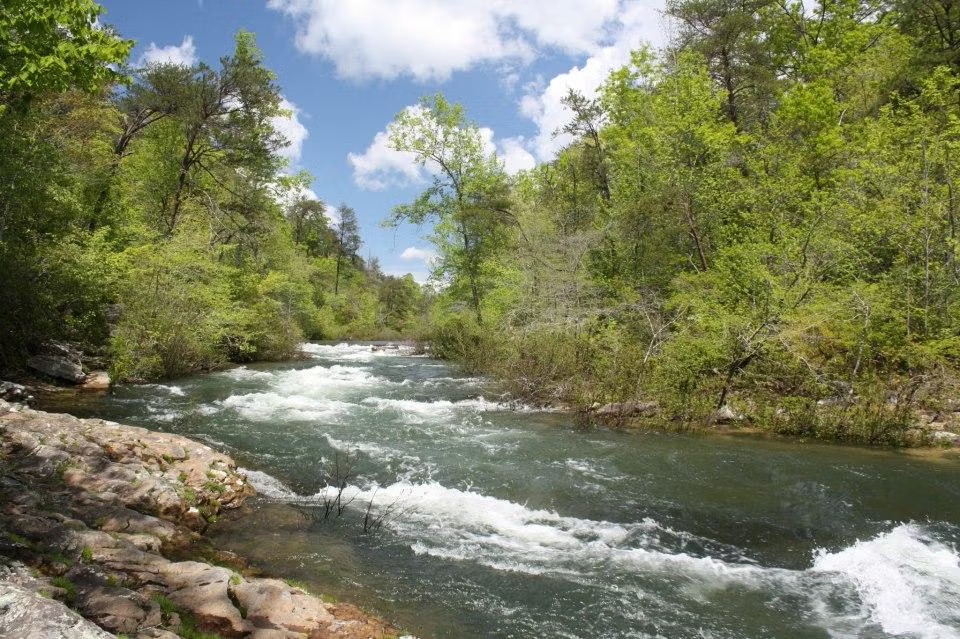
Boondocking—also called dry camping or dispersed camping—means parking your RV on public lands with no hookups, no fees, and no reservations required in most cases. It’s the ultimate way to escape crowded RV parks, immerse yourself in nature, and wake up to birdsong instead of your neighbor’s generator. In the Southeast, where Bureau of Land Management (BLM) land is scarce, boondocking happens primarily on U.S. National Forest lands, Wildlife Management Areas (WMAs), Corps of Engineers primitive areas, and select parkway campgrounds. With pine forests, rivers, lakes, and coastal access across Louisiana, Mississippi, Alabama, and Florida, the region offers hidden gems perfect for RVers seeking adventure on a budget.
At Great American RV SuperStores, we’ve helped thousands of families launch their boondocking lifestyles. With nine convenient locations across the Gulf South—Breaux Bridge and Hammond in Louisiana; Hattiesburg and Tupelo in Mississippi; Calera, Grand Bay, Heflin, and Huntsville in Alabama; and DeFuniak Springs in Florida—we’re your one-stop destination for the right RV, expert outfitting, and reliable service. Our experienced outfitters specialize in equipping RVs for off-grid life, whether you’re buying a new Grand Design, Jayco, Airstream, Thor Motor Coach, Tiffin, Entegra, Heartland, Keystone, Dutchmen, or Venture model. And with our Camping Store stocked with everything from solar kits to leveling blocks, you’ll leave fully prepared.
Why Boondocking Saves Big: RV Camping vs. Flying and Hotels
Let’s talk numbers—because boondocking isn’t just scenic; it’s smart money. Consider a family of four planning a week-long Southeast getaway. Flying into a major hub (say, New Orleans or Atlanta), renting a car, and staying in mid-range hotels runs $3,000–$5,000 easily: $1,200+ round-trip airfare, $800–$1,200 for hotel rooms, $400 in rental car/gas, and $600+ in restaurant meals and attractions.
Now switch to your own RV boondocking from one of our locations. Fuel for a 500–800-mile round trip in a typical Class C or travel trailer? $250–$400. Groceries and camp meals cooked in your own kitchen? $300–$400. Camping itself? Free. Total out-of-pocket: under $1,000. That’s $2,000–$4,000 in savings per trip. Over a year of three or four adventures, you’re looking at five-figure savings. No resort fees, no surge pricing, and you bring your own comfortable bed and kitchen. Plus, your RV retains value while hotels simply take your money. Our customers routinely tell us the switch to RV life paid for itself in the first season alone.
Boondocking 101: Essential Tips for Southeast Success
Before you head out, preparation is key—especially in the humid, bug-filled Southeast. Here’s your complete starter guide:
- Choose the Right RV Setup Our factory-trained and certified technicians (more RVTI-certified than any dealer in the Priority RV Network) recommend boondocking-ready rigs with large fresh-water tanks (at least 40 gallons), robust gray/black tanks, and solar-ready wiring. Models like Grand Design or Jayco with optional solar packages shine here. Stop by any of our nine locations for a free consultation—our experienced outfitters will spec the perfect off-grid upgrades.
- Gear Up at Our Camping Store Don’t forget solar panels, portable generators, leveling blocks, insect screens, and a high-quality waste-management system. Our on-site Camping Stores carry top brands at competitive prices, plus military discounts. Stock up before you roll out.
- Water, Waste, and Power Management Fill fresh tanks at home or our service centers. Monitor usage (showers are quick in boondocking). Dump stations are available at many National Forest entrances or nearby truck stops. For power, a 200–400-watt solar setup plus a quiet generator handles Southeast heat and AC needs.
- Leave No Trace and Follow Rules Pack out everything. Stay within 100–300 feet of roads where allowed (check Motor Vehicle Use Maps on fs.usda.gov). Most National Forests allow 14-day stays; WMAs may require a Louisiana, Mississippi, Alabama, or Florida hunting/fishing license or Wild card stamp (inexpensive and worth it). Fire bans are common in dry seasons—always verify.
- Apps and Resources Use Campendium, iOverlander, and Freecampsites.net for real-user reviews and GPS pins. Download offline maps. National Forest websites list current restrictions.
- Southeast-Specific Prep Expect heat, humidity, and mosquitoes—bring head nets, DEET, and shade tarps. Summer thunderstorms mean good drainage and storm straps. Cell service can be spotty; share your itinerary and use a satellite messenger. Wildlife (alligators in LA/FL, bears in AL/MS forests) stays away if you secure food.
- Service Backup With over 150 service bays across our nine locations and factory-trained master technicians, any pre-trip inspection or post-adventure repair is covered. As a Priority RV Network member (at eight of our stores), you get nationwide emergency service at 180+ locations if you break down far from home.
Master these basics and boondocking becomes second nature.
Boondocking Hotspots Near Our 9 Great American RV SuperStores Locations
Here are standout free or low-cost options within a short drive of each of our stores. All are RV-friendly with varying road conditions—always check clearance and current conditions.
*Great American RV SuperStore Huntsville is not part of the Priority RV Network.
Louisiana Locations (Breaux Bridge & Hammond)
Breaux Bridge (I-10 Exit 109) and Hammond (I-12 Exit 35) put you near the Atchafalaya Basin and beyond. For quick overnights, the Atchafalaya Welcome Center (just minutes from Breaux Bridge) offers free overnight parking with restrooms—ideal for breaking up a trip. For true dispersed camping, drive 1.5–2 hours north to Kisatchie National Forest. Sites along Forest Road 380 or Highway 472 Hunter Camp provide pine-shaded pull-offs with fire rings and vault toilets in many spots. Dispersed camping is allowed up to 100 feet from roads; perfect for hiking, fishing, and wildlife viewing. From Hammond, the same Kisatchie spots are equally accessible, or explore nearby WMAs for additional free primitive options with a Louisiana Wild card.
Mississippi Locations (Hattiesburg & Tupelo)
Hattiesburg (I-59 Exit 67) is a boondocking gateway to De Soto National Forest. Head 30–45 minutes south or east for dispersed sites at Pow Camp, Big Foot Horse Camp, or along the Black Creek Wild and Scenic River. These offer fire rings, some vault toilets, and access to hiking and paddling. Leaf Wilderness Area adds hike-in solitude. From Tupelo (I-22 Exit 76), the Natchez Trace Parkway delivers free primitive campgrounds like Jeff Busby (MP 193) or drive south to Bienville National Forest for dispersed road-side spots. Tombigbee State Park also has primitive areas nearby. Both locations are perfect for forest bathing and stargazing with minimal light pollution.
Alabama Locations (Calera, Grand Bay, Heflin & Huntsville)
Calera (I-65 Exit 234, near Birmingham) sits minutes from Talladega National Forest. Dispersed options along the Skyway Loop or at Hollins Hunting Camp offer pull-offs with fire pits and trail access to Chinnabee Silent Trail and waterfalls. Heflin (I-20 Exit 205) is even closer—Sky Mtwy Dispersed and Big Oak Hunter Camp provide pine-forest seclusion right in the Talladega Ranger District, with Pinhoti Trail hiking steps away. Grand Bay (I-10 Exit 4, near Mobile) has fewer deep-forest options but the Alabama Welcome Center on I-10 allows overnight stays, and a short drive reaches De Soto NF extensions or coastal primitive areas (boat-access Deer Island for the adventurous). Huntsville (I-65 Exit 340B) opens Bankhead National Forest doors. Boondock Dispersed sites and Wolf Pen Hunters Camp in the Sipsey Wilderness area deliver creekside primitive spots with gravel-road access—great for fishing and swimming holes.
Florida Location (DeFuniak Springs)
DeFuniak Springs (I-10 Exit 70) is your launchpad to Apalachicola National Forest. Porter Lake Dispersed Camp (30 miles out on Forest Road F13) features vault toilets and water spigots amid longleaf pines. Buckhorn Hunt Camp offers picnic tables and privacy outside hunting season. Additional dispersed pull-offs along forest roads let you choose your own slice of quiet. Fishing, kayaking on nearby rivers, and wildlife viewing make this panhandle gem unforgettable.
These spots are all within 1–2 hours of our stores, so you can pick up last-minute supplies or schedule a quick service check before heading out.
Ready to Boondock? Start at Great American RV SuperStores
Whether you’re a first-timer or seasoned dry-camper, our team makes boondocking effortless. Browse top brands at any of our nine full-service locations, get outfitted by experts in our Camping Stores, and rely on 150+ service bays staffed by factory-trained, RVTI-certified technicians. As part of the Priority RV Network, we back you nationwide.
Stop by today—test-drive a boondocking-ready RV, stock up on gear, and let our outfitters build your perfect adventure package. The Southeast’s free camping paradise is waiting, and with Great American RV SuperStores in your corner, every mile is worry-free.
Your next campsite is free. Your peace of mind? Priceless.
Ready to hit the road? Visit greatamericanrv.com or stop by one of our locations to begin your boondocking journey today!
Recent Comments