
Miranda

Carbon monoxide (CO) detectors are one of the most important — and often most overlooked — safety devices in any RV. Unlike smoke detectors that warn of visible fire or burning, CO detectors silently monitor for an invisible, odorless, colorless gas that can build up quickly and become deadly within..

RV inverters are one of the most valuable upgrades — or factory features — for anyone who loves boondocking, dry camping, or simply wants more flexibility away from shore power pedestals. They quietly convert the 12-volt DC power stored in your RV’s house batteries into 110–120-volt AC household electricity, letting..
Power steps (also called electric entry steps or retractable steps) are one of those features you use every single trip but rarely think about until they stop working. On motorized RVs — Class A motorhomes, Class C motorhomes, and some Class B camper vans — power steps make entry and..
The battery disconnect switch is one of the simplest yet most valuable components in any RV’s electrical system. Whether you own a Class A motorhome, Class B camper van, Class C, travel trailer, fifth wheel, toy hauler, or destination trailer, this small switch can make the difference between returning to..

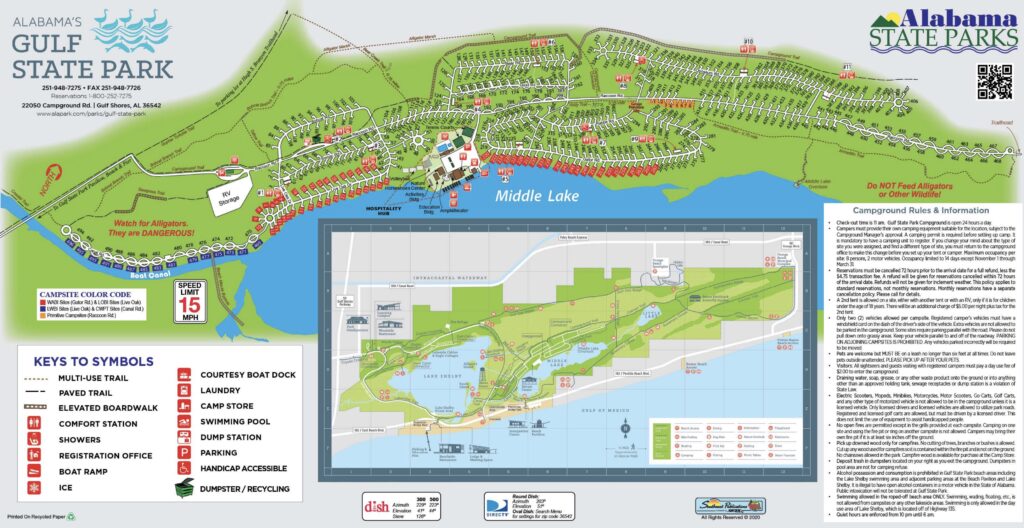
Summer 2026 is the perfect time to hit the road in your RV and explore the Gulf Coast region, where warm waters, white-sand beaches, fresh seafood, and Southern charm await. Focusing on Louisiana (LA), Mississippi (MS), Alabama (AL), and the Florida Panhandle (FL), these destinations offer a mix of coastal..

An RV transfer switch is one of the most important — yet often overlooked — components in any RV equipped with both a shore power cord and an onboard generator. Whether you have a Class A motorhome, Class C, travel trailer with a built-in generator, fifth wheel, or toy hauler,..
Every spring, thousands of fans make their way to Talladega Superspeedway for one of the most electric events in motorsports. But what turns this from a one day event into a full experience is not just the race. It is the lifestyle around it...
In a world of click-to-buy everything, the decision to purchase an RV feels different. You’re not just acquiring a vehicle—you’re investing in a lifestyle of weekend escapes, family road trips, and memories that last a lifetime...
The RV converter is one of the most important — and most misunderstood — electrical components in any towable RV, including travel trailers, fifth wheels, toy haulers, and destination trailers...
One of the most common areas of confusion for RV owners — especially those new to towable units like travel trailers, fifth wheels, toy haulers, and destination trailers — is the 110-volt (120V AC) electrical system...
An RV transfer switch is one of the most important — yet often overlooked — components in any RV equipped with both a shore power cord and an onboard generator. Whether you have a Class A motorhome, Class C, travel trailer with a built-in generator, fifth wheel, or toy hauler,...
Power steps (also called electric entry steps or retractable steps) are one of those features you use every single trip but rarely think about until they stop working. On motorized RVs — Class A motorhomes, Class C motorhomes, and some Class B camper vans — power steps make entry and...
Uninterrupted propane flow isn’t just convenient — it’s what keeps your RV life comfortable and reliable....

Carbon monoxide (CO) detectors are one of the most important — and often most overlooked — safety devices in any RV. Unlike smoke detectors that warn of visible fire or burning, CO detectors silently monitor for an invisible, odorless, colorless gas that can build up quickly and become deadly within..

RV inverters are one of the most valuable upgrades — or factory features — for anyone who loves boondocking, dry camping, or simply wants more flexibility away from shore power pedestals. They quietly convert the 12-volt DC power stored in your RV’s house batteries into 110–120-volt AC household electricity, letting..
Power steps (also called electric entry steps or retractable steps) are one of those features you use every single trip but rarely think about until they stop working. On motorized RVs — Class A motorhomes, Class C motorhomes, and some Class B camper vans — power steps make entry and..